They Searched 'Roof Replacement Cost': Retarget for 90 Days
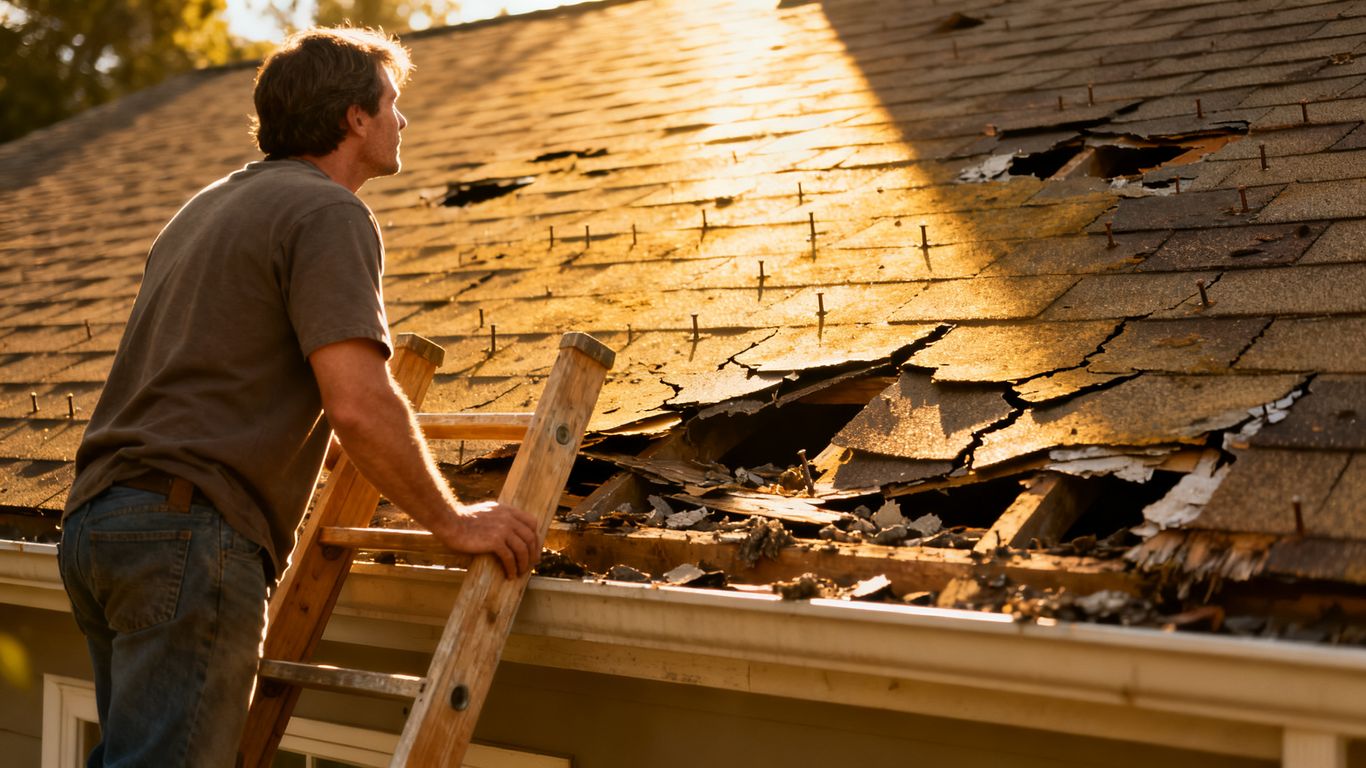
So, you've got homeowners searching for 'roof replacement cost,' right? That's a big deal. They're likely in the market, but maybe not ready to sign on the dotted line just yet. This is where a smart retargeting strategy comes into play. We're talking about a 90-day window here, focusing on those people who showed interest but haven't committed. It’s about staying top-of-mind and guiding them toward choosing you when they're finally ready. Let's break down how to make this work for your roofing business.
Key Takeaways
- Understand that homeowners searching for 'roof replacement cost' are often in the consideration phase, not necessarily immediate buyers.
- A 90-day roofing retargeting campaign helps keep your business in front of potential customers during their decision-making period.
- Segmenting audiences based on how recently they interacted with your ads or website allows for more relevant messaging.
- Utilize platform-specific tactics on Google Ads and Meta Ads to reach these interested homeowners effectively.
- Focus on showing quality, trust, and value in your retargeting ads, and test different approaches to see what works best for roofing projects.
Understanding The Roofing Customer Journey
Initial Search Behavior For Roof Replacement
When a homeowner starts thinking about a new roof, it's usually not a spur-of-the-moment decision. Something has likely happened: a leak, some missing shingles after a storm, or maybe the roof is just getting really old. They're not just browsing; they're looking for solutions. Their first stop is often a search engine. They'll type in things like "roof replacement cost" or "how much does a new roof cost." This initial search is a big signal that they're aware of a problem and are starting to explore options. They might also look for local companies, searching for "roofers near me" or "best roofing companies in [their town]." It’s important to understand that at this stage, they're gathering information, comparing prices, and trying to get a handle on the overall expense. They're not necessarily ready to pick up the phone just yet, but they are actively looking.
The Decision-Making Process For Homeowners
Once they've done some initial searching, homeowners get into the real decision-making part. This involves a few steps. First, they'll probably look at a few different companies. They want to see who's out there, what services they offer, and get a general idea of pricing. Then comes the request for quotes. This is where they invite contractors to their home to inspect the roof and provide a detailed estimate. During this phase, factors like price, the contractor's reputation, reviews, and the materials offered all come into play. It’s a mix of practical considerations and building trust. A homeowner might get three, four, or even more quotes before they feel comfortable making a choice. They're weighing the pros and cons, looking for the best combination of quality and affordability.
- Gathering information online
- Requesting multiple quotes
- Checking reviews and references
- Comparing material options and warranties
Identifying High-Intent Roofing Prospects
So, how do you spot the homeowners who are serious about getting a new roof soon, not just dreaming about it? Look for specific search terms. People searching for "roof replacement quote" or "get a roof estimate today" are much further along than someone just looking up "types of roofing shingles." Also, consider their online behavior. Have they visited multiple roofing company websites? Have they spent time on pages detailing services or pricing? These actions show a higher level of engagement and intent. A homeowner who has already requested a quote from one or two other companies is a prime candidate. They've moved past the initial research and are actively comparing offers. Understanding these signals helps you focus your marketing efforts on people who are ready to buy.
Homeowners today primarily find roofers through word-of-mouth and online searches. While social media exists, it doesn't play a big part in their actual decision for something as significant as a roof replacement. They want reliable information and trusted recommendations when making this big investment. Roofing customer journey insights
Leveraging Retargeting For Roofing Contractors
So, you've got people searching for 'roof replacement cost' or 'new roof prices'. That's great! But what happens after they leave your site? They might be comparing quotes, thinking it over, or maybe they just got distracted. This is where retargeting comes in. It's like a friendly reminder, keeping your business top-of-mind for those potential customers.
Why Retargeting Matters For Home Services
Think about it. A homeowner needs a new roof. They do a quick search, maybe click on a few links, and then life happens. The kids need picking up, dinner needs making, or they just decide to sleep on it. Without retargeting, that potential lead is gone. Retargeting brings them back to you when they're ready to make a decision. It's a way to stay in the conversation without being pushy. For home services like roofing, where the purchase decision can take time and involves significant investment, this consistent presence is key. It builds familiarity and trust, making your company the go-to choice when they finally pick up the phone.
Building Effective Retargeting Audiences
Not all website visitors are created equal, right? You want to show your ads to people who are actually likely to hire you. So, how do you build these audiences? It's all about segmenting. You can target people who visited specific pages on your site, like your services page or your contact page. Or, you could target people who spent a certain amount of time on your site, showing they were really looking around. Even people who abandoned a quote request form are a prime audience.
Here's a simple breakdown:
- High-Intent Visitors: People who looked at your pricing, services, or case studies.
- Recent Visitors: Anyone who has been on your site in the last 30 days.
- Past Customers: Folks you've already done work for, who might need future repairs or replacements.
This kind of segmentation helps you send the right message to the right person at the right time. It's not just about showing ads; it's about showing the right ads.
The Power Of Dynamic Retargeting Ads
Dynamic retargeting takes things a step further. Instead of showing a generic ad, it shows ads that are personalized based on what the visitor actually looked at. For a roofer, this could mean showing an ad for asphalt shingle replacements to someone who was browsing your asphalt shingle services page. It's super specific and can be really effective. This approach helps enhance your roofing business's online presence by making your ads feel more relevant and less intrusive. It’s a smart way to remind people of exactly what they were interested in, making it easier for them to come back and convert. It's a powerful tool for contractors looking to grow their business through Meta Ads retargeting strategies.
Implementing A 90-Day Retargeting Strategy
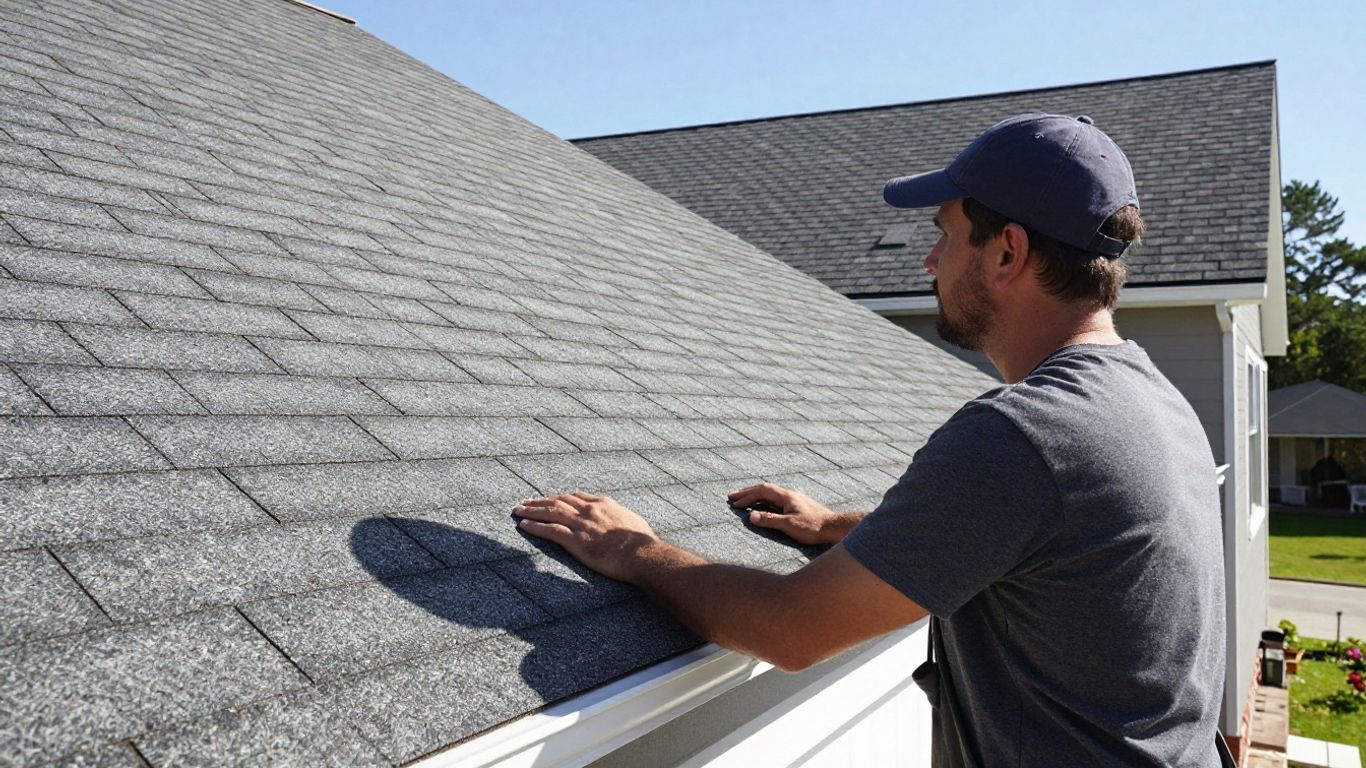
So, you've got folks searching for 'roof replacement cost' and landing on your site. Great! But what happens next? They don't always call right away. Sometimes, they're just gathering info, comparing prices, or maybe their budget isn't quite ready. That's where a smart 90-day retargeting plan comes in. It's about staying top-of-mind without being annoying, guiding them back when they're ready to make a decision.
Segmenting Audiences By Recency
Not all website visitors are the same, right? Someone who looked at your services yesterday is probably more ready to go than someone who visited a month ago. So, we break them up based on when they visited. This helps us show them the right message at the right time.
- Recent Visitors (0-7 days): These folks are likely still in the early research phase. They've shown interest but might be overwhelmed. We want to remind them of your brand and offer helpful info.
- Mid-Term Visitors (8-30 days): They've had some time to think. Maybe they've looked at a few other companies. Now's a good time to show them what makes you different: testimonials, project photos, or special offers.
- Longer-Term Visitors (31-90 days): These people might have put their project on hold or are still in the very early stages of planning. We need to gently nudge them, perhaps by highlighting seasonal deals or the long-term benefits of a new roof.
Tailoring Messaging For Each Stage
Once you've got your groups, you can't just show them the same ad. It’s like talking to a friend who just asked for directions versus someone who asked a month ago. The conversation needs to change.
For those who just visited, maybe show them ads about "Understanding Your Roofing Options" or "Common Signs You Need a New Roof." For people who visited a few weeks back, try ads like "See Our Recent Roof Replacements" or "Why Choose Us for Your Home?" The goal is to match the ad to where they are in their thinking. This is a key part of a full-funnel strategy for Meta Ads.
A consistent, yet varied, approach is key. You want to be a familiar face when they finally decide, not a stranger who suddenly appears. Think of it as building a relationship, not just making a sale.
Optimizing Bid Strategies For 90 Days
Spending money on ads isn't just about showing them to people; it's about showing them to the right people at the right time, and not overspending. For a 90-day window, we adjust how much we're willing to pay for clicks or impressions.
- Higher bids for recent visitors: Since they're more likely to convert soon, you might be willing to pay a bit more to get their attention.
- Lower bids for older visitors: For those who visited longer ago, you might bid less, focusing on keeping your brand visible without breaking the bank. This is similar to how B2B retargeting works, focusing on nurturing leads over time.
- Frequency capping: This is super important. You don't want to show the same ad to someone 50 times in a week. Set limits so people see your ads enough to remember you, but not so much that they get annoyed and tune you out completely. It’s a balancing act.
Platform-Specific Retargeting Tactics
So, you've got people interested in a new roof, and you want to bring them back. Great! But where do you actually show them those ads? Different platforms work in different ways, and what's effective on one might fall flat on another. It’s not just about showing the same ad everywhere; it’s about meeting people where they are.
Google Ads Retargeting For Roofers
Google Ads is a powerhouse for retargeting, especially for services like roofing. When someone searches for 'roof replacement cost' or 'how much does a new roof cost', they're often in a research phase. You can use Google's Display Network to show them ads on websites they visit later. Think about it: they looked up roof prices, and then while they're reading a local news article or browsing a DIY blog, your ad pops up. It’s a good way to stay top-of-mind. You can also retarget people who visited specific pages on your website, like your services page or a page detailing your warranty. This helps keep your company in mind as they continue their search.
Meta Ads Retargeting Strategies
Facebook and Instagram, now part of Meta Ads, are fantastic for visual retargeting. People might not be actively searching for a roofer on social media, but they are scrolling through their feeds. If they visited your site, you can show them ads featuring beautiful, finished roof projects or testimonials from happy customers. This is where you can really build trust and show off the quality of your work. You can create custom audiences based on website visitors, people who engaged with your Facebook page, or even uploaded customer lists. It’s a more visual approach, so high-quality images and short videos work best here.
TikTok And Other Emerging Platforms
While Google and Meta are the big players, don't count out newer platforms. TikTok, for instance, is growing rapidly. If your target audience is on TikTok, you could create short, engaging videos showing the process of a roof replacement, before-and-after transformations, or even quick tips on roof maintenance. The key here is authenticity and creativity. These platforms often favor less polished, more real content. It’s about grabbing attention quickly. You might also consider platforms like LinkedIn if you're targeting commercial roofing projects. The strategy is to experiment and see where your potential customers are spending their time. Choosing the right platforms is key to a successful retargeting campaign.
When deciding which platforms to use for retargeting, consider where your ideal customer spends their time online and what kind of content they engage with. A homeowner researching costs might be on Google, while someone looking for inspiration or social proof might be on Facebook or Instagram. Tailoring your approach to the platform is more effective than a one-size-fits-all method.
Creative Best Practices For Roofing Ads
When you're trying to get people to notice your roofing business, the ads you put out there really matter. It’s not just about saying you replace roofs; it’s about showing people why they should pick you. Think about what someone looking for a new roof is feeling: probably a bit stressed, worried about cost, and wanting a job done right. Your ads need to speak to that.
Showcasing Quality And Trust
People want to know their roof is in good hands. Showing off the quality of your work is a big deal. This means using clear photos or short videos of finished roofs that look great. Before-and-after shots can be really powerful, too. They visually prove the difference you make. Also, think about including testimonials or showing off any awards or certifications your company has. This builds confidence.
- High-quality photos of completed projects: Make sure they look professional and highlight the craftsmanship.
- Customer testimonials: Short video clips or written quotes from happy clients add a personal touch.
- Certifications and awards: Displaying badges or logos of recognized industry standards can boost credibility.
- Team photos: Showing the faces behind the business can make your company seem more approachable and trustworthy.
Highlighting Urgency And Value
Sometimes, a roof problem can't wait. If you're running a special offer or have a limited-time deal, make that clear. People are often looking for the best bang for their buck, so showing the value you provide is smart. This doesn't just mean the lowest price, but also what’s included in your service. Think about offering free inspections or mentioning warranties.
A leaky roof isn't just an annoyance; it can lead to bigger, more expensive problems down the line. Ads that point out these risks and offer a clear, valuable solution can grab attention.
Consider these points when highlighting value:
- Limited-time discounts: "10% off your roof replacement this month only!"
- Bundled services: "Free gutter cleaning with every new roof installation."
- Financing options: "Affordable payment plans available to fit your budget."
- Extended warranties: "Our roofs come with a 50-year manufacturer's warranty."
A/B Testing Ad Creatives Effectively
What works for one company might not work for another. That’s why testing different versions of your ads is so important. You can try different headlines, images, or calls to action to see which ones get the best response. For example, test an ad that focuses on speed of service against one that emphasizes a special offer. You might be surprised by the results. This kind of testing helps you spend your ad money more wisely and get better results over time. It’s a good idea to look at effective advertising strategies for roofing companies to get some ideas.
Here’s a simple way to think about A/B testing:
| Ad Element | Version A | Version B |
|---|---|---|
| Headline | "New Roof? Get a Free Quote!" | "Protect Your Home: Roof Replacement Experts" |
| Image | Photo of a finished roof | Photo of a friendly crew working |
| Call to Action | "Call Us Today" | "Get Your Free Estimate Online" |
By comparing how many people click on each version, you can figure out what connects best with potential customers. This iterative process is key to refining your marketing plan for commercial roofing businesses and seeing real growth.
Measuring Success In Roofing Retargeting
So, you've put a retargeting campaign in place for your roofing business, running ads for 90 days. That's great! But how do you know if it's actually working? You can't just set it and forget it. We need to look at the numbers to see what's paying off and what's not.
Key Performance Indicators For Roofing Campaigns
When we talk about measuring success, we're looking at a few specific things. These are the metrics that tell us if people are seeing our ads and, more importantly, if they're doing something about it. A good Click-Through Rate (CTR) is a solid sign, generally between 3% and 7% for roofing companies on Google Ads [3169]. This means your ads are grabbing attention. But CTR isn't the whole story. We also need to watch conversion rates: how many people actually fill out a form, call you, or request a quote after seeing your retargeting ads. This is where the real business comes from.
Here are some top things to keep an eye on:
- Impressions: How many times your ads were shown.
- Clicks: How many times people clicked on your ads.
- Click-Through Rate (CTR): The percentage of impressions that resulted in a click.
- Conversions: The number of desired actions taken (e.g., form submissions, calls).
- Conversion Rate: The percentage of clicks that resulted in a conversion.
- Cost Per Conversion: How much you spend on ads for each conversion you get.
Attribution Modeling For Retargeting
Figuring out which ad or touchpoint gets credit for a conversion can get tricky. Did they see your retargeting ad first, or was it a general search ad? This is where attribution models come in. A simple model might give all the credit to the last ad someone clicked before converting. More complex models spread the credit across multiple touchpoints. For roofing, where decisions can take time, understanding the full customer journey is important. You might want to look at models that give some credit to retargeting ads, even if they weren't the very last thing someone saw before calling. This helps you see the true impact of your retargeting efforts.
It's easy to get lost in all the data, but remember the goal: getting more homeowners to choose your roofing services. Keep your focus on the metrics that directly relate to new business and revenue.
Calculating Return On Ad Spend
Ultimately, you want to know if your retargeting ads are making you money. That's where Return on Ad Spend (ROAS) comes in. It's pretty straightforward: you take the total revenue generated from your retargeting campaigns and divide it by the total amount you spent on those ads. A ROAS of 3:1, for example, means for every dollar you spent on ads, you got three dollars back in revenue. This is the bottom line. If your ROAS is low, you need to figure out why. Are your ads not converting? Is your cost per conversion too high? Are you targeting the right people? Looking at your ROAS helps you make smart decisions about where to put your advertising budget. You can also use this to compare different platforms or ad sets and see which ones are performing best. For instance, you might find that your Facebook retargeting campaigns are bringing in a great return, perhaps because you're showcasing impressive roof transformations [3252].
Figuring out if your roofing ads are actually working is super important. You want to know if all that effort is paying off, right? We can help you see exactly how well your ads are doing and what changes you might need to make. Ready to see your roofing business grow? Visit our website today to learn more!
So, What's the Takeaway?
Look, if someone just searched 'roof replacement cost,' they're likely in the market, maybe not today, but soon. Keeping your ads in front of them for 90 days, especially on platforms like Google Search where they're actively looking, makes a lot of sense. It’s about staying top-of-mind when they’re ready to get quotes. We’ve seen it work for lots of home service businesses. It’s not about being annoying; it’s about being there when they need you. So yeah, give that 90-day retargeting a shot. It’s a solid play for getting more leads.
Frequently Asked Questions
What does 'retargeting' mean for a roofing business?
Retargeting is like a friendly reminder. If someone looked up 'roof replacement cost' on your website but didn't call, retargeting shows them your ads again later on other sites, like Facebook or Google. It keeps your business top-of-mind so they remember you when they're ready to pick a roofer.
Why should a roofer use retargeting ads?
Roofing jobs often take time to decide on. Homeowners might research prices, look at different companies, and talk to family. Retargeting helps you stay in front of these potential customers during their whole decision process. It's a great way to get them to choose you over a competitor.
What's the point of searching for 'roof replacement cost'?
When homeowners search for 'roof replacement cost,' they're usually past the 'do I need a new roof?' stage and are now figuring out how much it will cost and who they want to hire. This means they're getting pretty serious about the project, making them valuable leads for roofers.
How long should I retarget someone?
The article suggests 90 days. This gives you enough time to remind people without being annoying. You can show ads to someone who visited your site recently more often than someone who visited a month ago. It’s about staying visible through their whole thinking period.
What kind of ads work best for roofers?
Ads that build trust are key. Show pictures of your best work, mention your experience, and include customer reviews. Also, ads that highlight why someone should act now, like a special offer or mentioning bad weather is coming, can be very effective.
How do I know if retargeting is working?
You track how many people see your ads, click on them, and then actually call you or fill out a form. This is called 'conversion tracking.' By looking at these numbers, you can see if your retargeting ads are helping you get more roofing jobs and if you're making more money than you're spending on the ads.