Key Takeaways
The best time to ask is after the customer has had a chance to see the finished work and any open issues are resolved. A consistent, fair closeout process helps make the request feel timely rather than automatic.
- Use the final walkthrough as a practical starting point, not an excuse to rush the request.
- Give customers enough time to inspect and use the fence, especially after larger installations.
- Adjust the timing to the job and pause if repairs or punch-list work remain.
- Make review requests part of closeout, with one person responsible for sending them.
- Invite every customer fairly, then track timing and responses to improve the process.
Why fence company review request timing matters
A review request is more likely to feel natural when it follows the work the customer just experienced. For fence companies, the right moment depends on whether the installation is truly complete, not simply whether the crew has left the property. A thoughtful fence company review request timing process gives customers room to notice details and raise concerns before they are asked to post publicly.
Fresh project details make reviews more specific
Soon after a project, customers can usually recall what was built, how the crew handled the site, and whether communication stayed clear. Those details can make feedback more useful to future customers than a vague comment posted months later. Still, “soon” should mean after the job is settled, not while the customer is watching the crew pack up.
A brief pause also gives the customer a chance to look over the finished work without feeling rushed. If you want to connect the request process to your broader review strategy, this Google review timing guide offers another perspective on why the ask's timing matters.
A good customer experience is not always a finished customer experience
A friendly crew and a smooth installation are meaningful, but the customer may still need to check a gate, confirm a detail, or ask about cleanup. Treating a positive interaction as proof that the project is closed can lead to an awkward request. Project completion comes first; the review invitation should follow only when the customer has a fair chance to assess the result.
That distinction matters most when the final details are easy to overlook from the contractor’s side. A closeout check can establish whether the customer considers the work complete, rather than relying on an internal status alone.
Asking too early can turn a small issue into a public complaint
A request sent before a concern has been heard can make a manageable problem feel ignored. The customer may use the review itself to get a response, even when a direct conversation could have resolved the issue. A short delay gives the team time to confirm that the handoff is complete and leaves the customer with a clear route for raising anything that still needs attention.
Find the sweet spot after the fence project
There is no single number of hours or days that fits every fence project. The more reliable rule is to anchor the request to completion, then allow enough time for the customer to look around and speak up. That makes the timing feel connected to the work instead of to an arbitrary reminder on a calendar.
Wait until the final walkthrough is complete
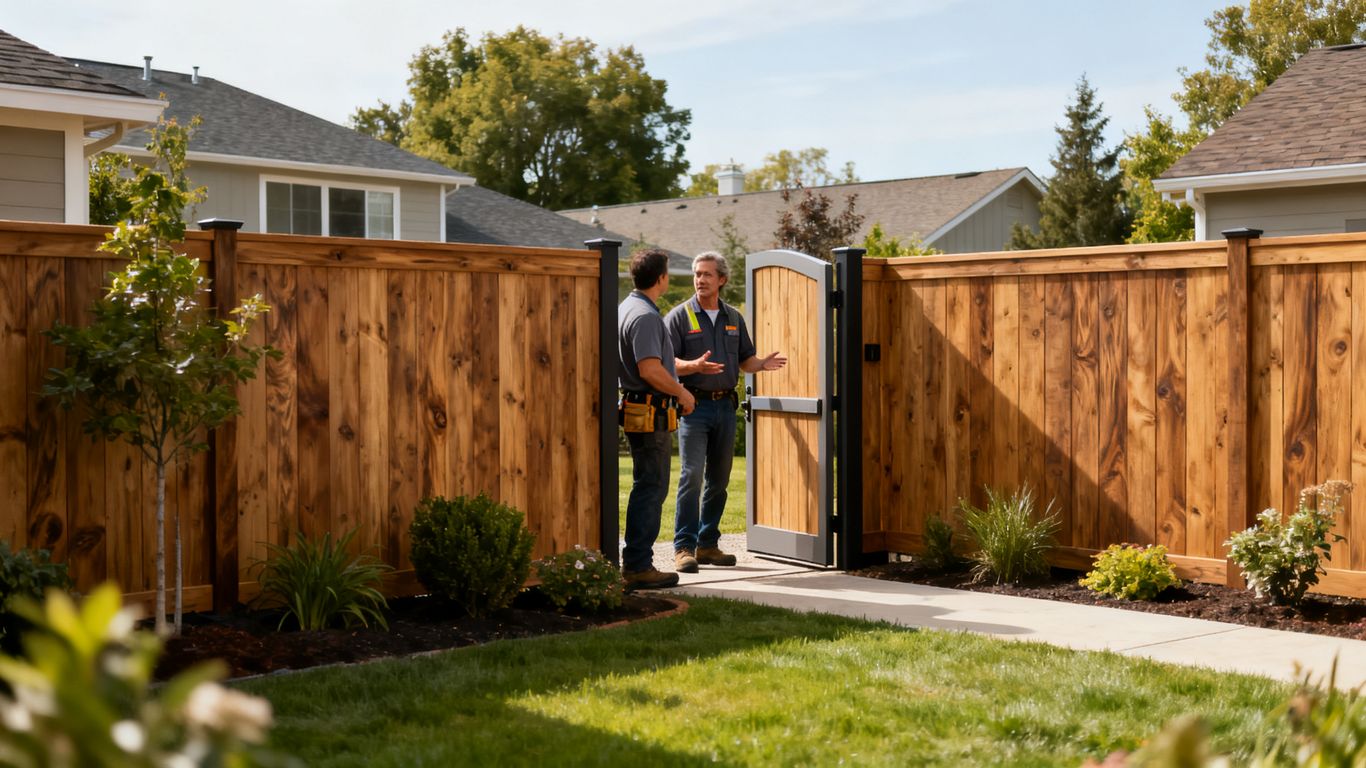
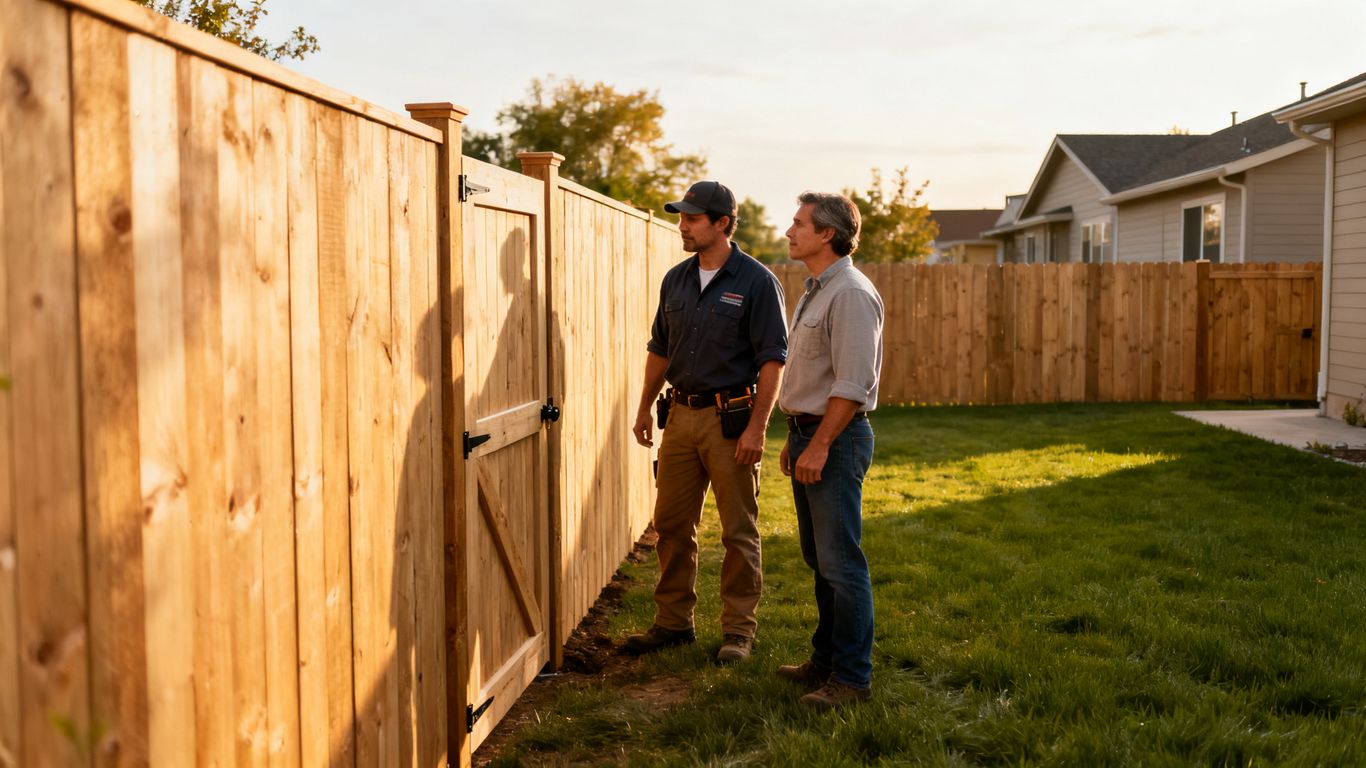
The walkthrough is a useful moment to confirm that the customer has seen the finished fence and knows whom to contact with a concern. It can cover the visible work, access points, and any agreed details without turning into a sales pitch for a review. Once the customer and crew have finished that conversation, the business has a much clearer signal that the project is ready to close.
If the customer cannot attend in person, a clear update and a chance to respond can serve a similar practical purpose. The aim is not to impose a formal ritual; it is to avoid asking before the customer has had a meaningful handoff.
Give customers time to use and inspect the finished fence
Some details are easier to assess after the crew has left: a gate’s everyday use, how the work area looks once tools are gone, or whether the completed layout matches the plan. The right interval varies, so avoid a rigid same-day rule for every job. A simple comparison of project circumstances can help teams choose a reasonable window:
| Project situation | What the customer may need | Timing approach |
|---|---|---|
| Small repair | A quick look at the repaired area | Follow up after the work is confirmed complete |
| Standard installation | Time to inspect the finished fence and site | Allow a short interval after the walkthrough |
| Larger or complex job | Time to check several areas or details | Wait until the customer has had a fuller inspection |
Use the table as a guide, not a timer. If the customer raises a concern during that interval, pause the review request and address the concern first.
Ask promptly once open issues are resolved
Waiting for a project to settle does not mean letting the request drift for weeks after everything is resolved. Once the customer has had time to inspect the work and the team has closed any open items, send the invitation while the experience is still easy to recall. That balance—space to assess, followed by a prompt ask—is the practical sweet spot.
If there is uncertainty about whether a concern is resolved, ask the customer directly before sending a public-review invitation. A quick check-in is often more respectful than assuming silence means satisfaction.
Adjust timing to the type of fence job
A small repair and a full installation do not create the same customer experience. The request should reflect the amount of work involved and how long a customer reasonably needs to judge it. That does not require a complicated system; it requires a little judgment at closeout.
Request feedback differently after repairs and small jobs
For a narrow repair, the customer may be able to verify the result quickly once the crew is finished. A request can follow soon after that confirmation, provided there is no unresolved concern and the customer has had a chance to inspect the repaired section. The point is to keep the follow-up proportionate to the job, rather than applying the same delay used for a large installation.
If a small job involves a part that needs observation in normal use, give the customer that opportunity first. A short, direct follow-up can confirm the repair is holding up before asking for feedback.
Allow more time for large installations or complex projects
A longer fence line, multiple gates, or several work areas can take more time to review than a straightforward repair. The customer may want to walk the property, compare the finished work with the agreed plan, or coordinate with another household member. In those cases, a little extra time can make the request feel considerate rather than premature.
Set the timing around the scope and the customer’s ability to inspect, not an assumption that every large project needs the same number of days. If the project has several stages, wait until the final stage is complete before beginning the review follow-up.
Pause requests when delays, damage, or punch-list work remain
An unresolved item changes the priority: service recovery comes before review collection. If weather, a material delay, accidental damage, or a punch-list detail is still being handled, hold the request until the customer knows what will happen next and the agreed work is complete. Sending an invitation in the middle of that process can sound tone-deaf, even if the original installation went well.
When the issue is resolved, confirm that with the customer and then resume the normal closeout sequence. This keeps the request tied to the completed experience, rather than to the date the original job was scheduled to finish.
Build review requests into your project closeout workflow
A reliable process should not depend on one person remembering to ask at the perfect moment. Build the request into the same closeout routine used to confirm the work, record open items, and communicate next steps. Consistency helps avoid both missed opportunities and requests sent before a project is ready.
Choose a clear trigger, such as a completed walkthrough
A specific trigger makes timing easier to apply across crews and job types. For example, the request can become eligible after the walkthrough is complete, the customer has received any necessary follow-up, and open work is marked resolved. The trigger should indicate actual completion, rather than just a status change in the schedule.
Keep the rule easy to understand. If the crew or office team cannot tell whether the trigger has been met, the workflow needs a clearer definition.
Assign one team member to send the request
One owner for the task reduces duplicate messages and makes it clear who checks that the job is ready. The responsible person might be in the office or on the project team; what matters is that the role is assigned and the handoff is visible. For teams refining their closeout routine, it can help to talk through your process and decide where the review request belongs.
The person sending the request should have enough context to know whether there are open issues. A simple handoff note can prevent the office from sending a generic request while a crew member is still arranging a return visit.
Personalize the message with the project details
A short message feels more genuine when it identifies the completed job and uses a familiar tone. Keep the request clear and make the next step easy to understand, without telling customers what rating to leave or what they should say. For a repeatable message, include only details that help the recipient recognize the project:
- The type of work completed, such as an installation or repair.
- A brief reference to the completion or walkthrough.
- A direct invitation to share an honest account of the experience.
- A way to reply directly if an issue still needs attention.
Use those details to make the message recognizable, not to script the customer’s response. The customer should be free to share whatever feedback reflects their experience.
Choose a convenient channel and follow-up cadence
A well-timed request can still be missed if it arrives in a channel the customer rarely checks. Use the communication history from the project to choose a sensible method, then keep the follow-up restrained. The goal is a convenient invitation, not a campaign that keeps resurfacing after the customer has moved on.
Use SMS when customers have already communicated by text
If the customer and team have used text messages for project updates, a concise SMS may feel like a natural continuation. Keep it brief, identify the business, and make the request clear. Avoid sending a string of messages or treating a text-based relationship as permission to contact the customer indefinitely.
A text should make it easy for the customer to respond or ignore the invitation without pressure. If the customer has asked to use another channel, follow that preference instead.
Send email when project details or review instructions need more space
Email is useful when the request needs a little more context, such as identifying a multi-stage project or explaining where the customer can leave feedback. Keep the main ask near the top so the customer does not have to search for it. A longer message is not automatically a better one; include details only when they clarify what is being requested.
The channel should match the customer’s past communication and the amount of explanation needed. Whichever method you use, make the request easy to understand on a phone as well as a computer.
Send one courteous reminder if the customer has not responded
A single reminder can be reasonable when the first invitation may have been missed. Leave enough space between messages that the second note does not feel like a demand, and stop if the customer declines or does not engage. Repeating the ask several times can undermine the otherwise positive experience the review request is meant to capture.
A reminder should be brief and acknowledge the original request without implying that a response is owed. After that, let the customer decide whether to share feedback.
Keep review requests fair and measure what works
The request process should give every customer an equal opportunity to leave feedback. A fair approach protects the credibility of the reviews and helps the team learn from the full range of customer experiences, not just the ones expected to be positive. Measurement is useful when it improves timing and service, rather than encouraging selective requests.
Invite all customers without screening for likely positive reviews
Use the same basic eligibility rules for customers regardless of whether the crew expects a glowing review. Asking only people who seem happiest can skew the feedback and leave unresolved problems hidden. Instead, use completion and issue-resolution as the criteria for sending the invitation to everyone who qualifies.
For a broader look at the relationship between review requests and local visibility, read this overview of Google reviews. Keep the request itself neutral: invite an honest account, not a particular sentiment.
Avoid incentives or pressure that can violate platform policies
Do not make a discount, gift, or other benefit conditional on posting a review, and do not steer customers toward a particular rating. Pressure can make the request feel less trustworthy and may conflict with the rules of the review platform. A neutral invitation is clearer for the customer and easier for the team to apply consistently.
When in doubt, keep the language simple: ask for honest feedback, make no promise in exchange, and avoid repeated nudges. That standard leaves the customer in control of whether and what to post.
Track request timing, response rates, and review patterns by job type
A small amount of tracking can show whether the process is working without turning the team’s attention toward rating targets. Record when the job was completed, when the request went out, whether a response followed, and the general job category. Review those patterns periodically to see whether requests are being sent too early or whether a particular type of job needs more time.
Interpret the numbers carefully: response rates alone do not explain why a customer chose to post or stay silent. Use the data to improve the workflow and identify recurring service issues, while keeping the invitation fair for every customer.
Conclusion
The best time to ask for a fence review is after the customer has seen the finished work, had a chance to raise concerns, and any open items have been resolved. Make that timing part of a simple closeout process, adjust it to the job, and keep the invitation neutral and convenient. If you want to make a review-request workflow easier to maintain, schedule a conversation about your next steps.
Frequently Asked Questions
When should a fence company ask for a review?
Ask after the final walkthrough or equivalent handoff, once the customer has had time to inspect the work and any open issues are resolved. The right interval depends on the project.
Should a fence company ask for a review on the day of installation?
It can be too soon if the customer has not inspected the finished work or if there are remaining details to address. A same-day request is best avoided when the project is not fully closed out.
How long should a customer wait before reviewing a new fence?
There is no universal waiting period. Customers should have enough time to inspect the installation and use relevant features, such as gates, before deciding what feedback to share.
Should review requests differ for fence repairs and installations?
Yes. A small repair may be easy to inspect soon after completion, while a large installation may require more time to walk through and assess. In both cases, resolve open items first.
Is it appropriate to send a reminder about a review request?
One courteous reminder may be appropriate if the customer has not responded. Avoid repeated follow-ups, and stop if the customer declines or asks not to be contacted.
Should a business offer a discount for a fence review?
A review request should not be conditional on a discount or other incentive. Invite honest feedback without asking for a particular rating or response.
What should a fence company track about review requests?
Track when the project was completed, when the invitation was sent, the job type, and whether a response followed. Use those patterns to improve timing and identify service issues, not to screen customers.