
Key Takeaways
Optimizing your marketing spend as a home service business owner requires moving beyond trial-and-error to a disciplined, data-backed approach. Success at a $5,000 monthly level depends on balancing immediate lead generation with sustainable asset growth.
- Focus on Google Local Services Ads as the engine for urgent, high-intent emergency plumbing leads.
- Balance pure lead acquisition with long-term SEO work on your Google Business Profile to reduce reliance on ads.
- Implement granular conversion tracking to understand which specific service calls actually drive your profit.
- Use retargeting campaigns to capture high-intent visitors who didn't book on their first site visit.
- Adjust your monthly budget allocation based on seasonal demand cycles rather than keeping a stagnant ad spend.
Foundations of a $5k/month plumbing budget
The necessity of high-intent search volume
Plumbing demands are almost always urgent, making high-intent search the cornerstone of your strategy. Homeowners do not browse for plumbers; they look for immediate relief from a pipe burst or a water heater failure. Relying on organic traffic alone is risky when your service area faces sudden, competitive spikes. Capture that urgency through precise targeting to ensure your budget captures the people needing help right now.
Defining your cost-per-lead targets for plumbing
Your lead value must dictate your bidding strategy rather than a generic budget cap. By understanding the average service bill for a drain cleaning versus a full repipe, you prevent overpaying for low-value inquiries. Using tools like QuoteIQ helps you track material and labor costs per job so you only bid on keywords that actually drive profitable work.
Allocating for management fees versus ad spend
Splitting your $5,000 between media and strategy requires a sober look at your internal capacity. If you lack the time to monitor keyword performance or maintain your creative assets, hiring professional help is essential. Investing in Fractional CMO leadership ensures your ad spend remains tied to revenue rather than vanity metrics or wasted clicks.
The importance of granular tracking and attribution
Without clear visibility into where your calls originate, you are essentially gambling with your marketing funds. Every dollar must be traceable to a specific campaign, even for emergency services where phone numbers change frequently. You should adopt advanced call tracking to ensure your plumbing marketing efforts distinguish between a high-value emergency booking and a simple cost-of-service inquiry.
Prioritizing Google Local Services Ads
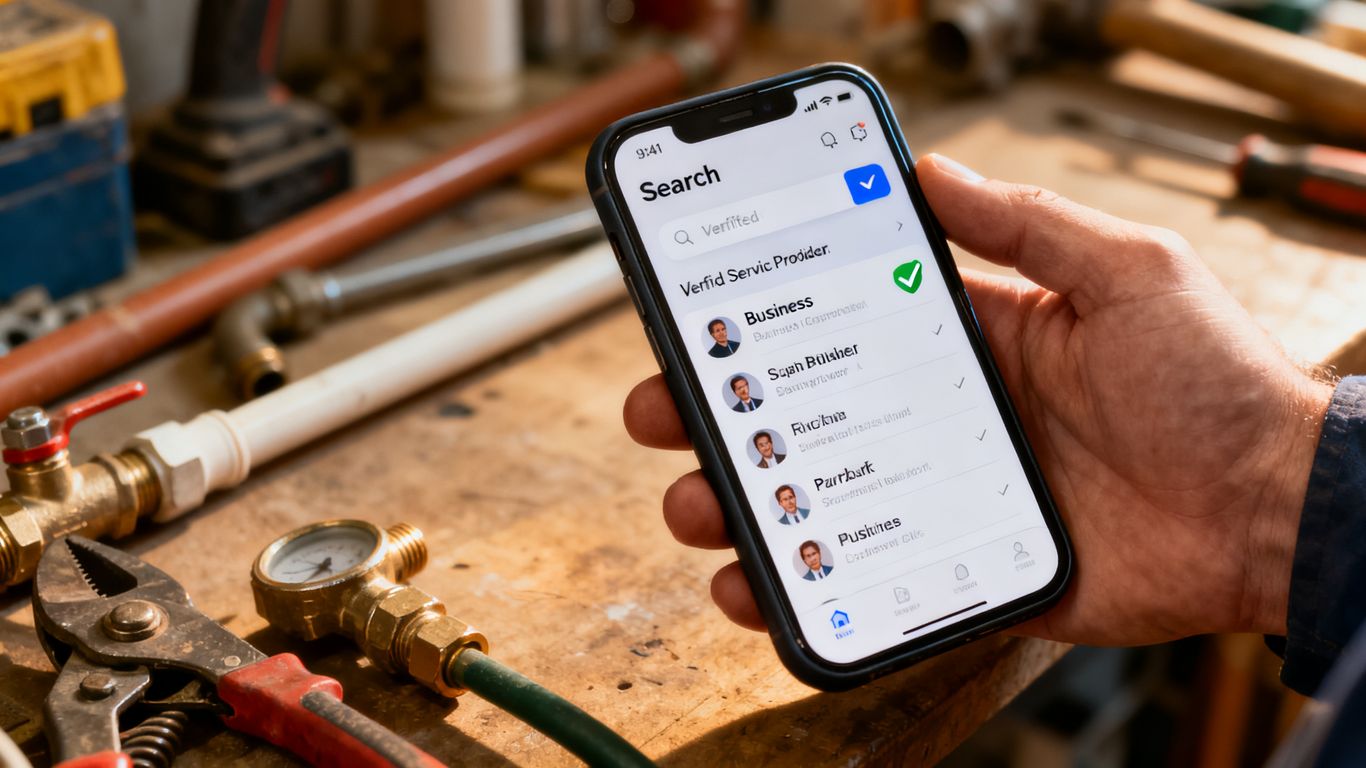
Google Local Services Ads serve as the most direct route to the top of the local search results for service providers. These ads bypass standard text-based auctions, prioritizing trust and verification through the platform's own vetting process. Owners find that these ads consistently generate the highest quality leads because they appear directly based on location and immediate availability.
Why Google Guaranteed is the primary plumbing channel
The Google Guaranteed badge acts as a powerful barrier against competitors who haven't completed the verification process. It provides homeowners with a layer of security that encourages clicks over generic search results. This trust-based trigger remains your most reliable lever for obtaining consistent, service-based work throughout the year.
Managing lead dispute workflows for billing efficiency
Google doesn't always get the lead type right, and paying for spam or wrong-intent calls quickly drains your monthly budget. You must establish a rigid workflow to listen to every recorded call and dispute unqualified leads immediately. Staying on top of this billing efficiency ensures your allocated spend stays focused on actual plumbing opportunities.
Optimizing your profile for emergency service keywords
Visibility here depends on how well your profile reflects your real-time operation hours and service capabilities. You must keep your credentials current, as Google rewards profiles that provide updated license information and specific service categories. This maintenance is essential for appearing in searches that explicitly mention after-hours availability.
Scaling Local Services Ads to dominate local search results
Once your profile is verified and you have a track record of answering, you can push for higher prominence within the local pack. By increasing your response speed and gathering consistent client feedback, you signal to the algorithm that your business is the premier choice. Dominating this space creates a defensive moat that smaller, less organized competitors cannot easily breach.
Capturing high-intent volume with Google Search Ads
Targeting emergency plumbing search intent
Focus your search ads on keywords that imply an immediate disaster. People searching for "emergency plumber near me" are at the end of their patience and are ready to pay for speed. Target these queries heavily during early morning and weekend hours when standard service offices have limited personnel.
Structuring manual bidding for high-value plumbing services
Automated bidding strategies often treat a simple faucet fix the same as a major mainline excavation. By using manual controls, you can push your bids higher for terms associated with high-margin jobs like water line repair or sump pump replacement. This discipline ensures you aren't paying $80 per click for a $150 repair call.
Writing ad copy that addresses immediate pain points
Your ad copy needs to be as aggressive as the demand you are chasing. Highlighting your 24/7 availability, wait times, and license status gives the homeowner immediate reasons to select you over a list of generic results. Keep the wording brief and focused on the solution, not your business history.
Utilizing extensions to increase click-through rates and prominence
Use call extensions and location assets to ensure your contact information appears instantly. These features allow mobile users to reach your team with a single tap, significantly reducing the friction involved in booking a service call. A well-constructed ad with robust extensions occupies more screen real estate, forcing competitors down the page.
Building a long-term engine with SEO and local presence
Optimizing your Google Business Profile for local map packs
Your profile is the backbone of your local search presence and requires constant care. Post photos of actual jobs, write descriptive updates, and ensure your hours are strictly accurate. The goal is to make your business the most visible and trustworthy entry in the map interface for every town you serve.
Developing localized landing pages for secondary service areas
If your plumbing business covers several nearby cities, do not send all traffic to a single home page. Build dedicated pages for each area that include local utility reference points and specific service descriptions. This builds relevance for localized search terms that users in those specific suburbs are typing into their phones.
Implementing structured data to increase site visibility
Structured data tells search engines exactly what kind of services you offer, including your pricing ranges and service areas, in a machine-readable format. This helps your site stand out in search results with snippets that provide extra detail to potential customers. It is a technical foundation that pays off by making your site more authoritative.
Generating and managing customer reviews at scale
A high volume of reviews is the single biggest factor for long-term map pack success. You need a systematic way to request feedback as soon as a tech finishes a job while the customer is happiest. Replying to every review with a professional tone reinforces your brand as one that provides active, great service.
Leveraging Meta Ads for brand awareness and retargeting
Running retargeting ads to site visitors who did not book
Most people who click your search ad won't book on the first visit, especially if they are comparing prices. A retargeting pixel allows you to stay in front of those people as they browse social media. Use a simple, punchy reminder that you are still available and ready for their emergency.
Using video case studies to establish professional credibility
Short clips of your team resolving a complex plumbing issue show potential clients that you know your craft. Video content allows homeowners to see the face of the brand before they call, which humanizes your company in a way text ads never can. These assets build the trust required to win larger repair or installment jobs.
Creating lookalike audiences based on high-value customer lists
Upload your list of past customers who have paid for major installs to identify similar households in the area. Meta can use this data to show your ads to people who have similar demographic characteristics and browsing habits. This is a powerful way to expand your reach without blindly guessing at your ideal customer.
Timing brand awareness campaigns around seasonal plumbing maintenance
Align your Meta spend with the seasons, like winterizing outdoor pipes or performing backflow testing. By reminding customers of upcoming seasonal needs, you prime them for your service before they encounter a pipe freeze or emergency surge. This turns your brand from a reactive choice into a proactive, trusted partner.
Optimizing landing pages and conversion tracking
Designing for mobile-first emergency calls
Most homeowners call from their phones during an crisis, so your mobile site must be frictionless. Your phone number needs to be the first thing a user sees, and the page must load in under two seconds. A messy, slow site for a mobile user is a lost booking every time.
Testing sticky buttons to reduce user friction
Place a large, contrasting "Click to Call" button at the bottom of the screen that follows the user as they scroll. This eliminates the need for the user to hunt for your contact info. You should implement a few specific upgrades for better user conversion:
- Ensure the phone number link is clickable directly from any heading.
- Keep contact forms to three fields at most to reduce input fatigue.
- Use social proof icons near the form to reinforce service guarantees.
- Enable instant maps integration so users can check service range.
These elements significantly improve the booking flow, but verify success by monitoring your analytics carefully. You can also review how 194d principles impact your overall business transparency for improved client trust.
Implementing call tracking to measure lead quality
Tracking tags integrated into your site allow you to see the exact search source for every inbound phone call. This data is the only way to know if your ad spend is generating revenue or just noise. Without this, you are flying blind on your monthly budget optimizations.
Integrating lead forms with your internal CRM
Forms should sync directly into your software without any manual entry required. When a customer submits an inquiry, your dispatch team should get an instant notification so they can respond within minutes. Rapid response is the biggest factor in winning the lead over your competitors.
Sample budget allocation scenarios
The emergency-first split for rapid market entry
If you need immediate bookings today, the focus should be heavily weighted towards Google Local Services and high-intent Search. This requires about 85% of your total budget going to direct-response ads with the rest dedicated to site maintenance. The spending breakdown below illustrates how this shift prioritizes speed-to-revenue.
| Channel | Budget Share | Primary Objective |
|---|---|---|
| Google LSA | 50% | Immediate bookings |
| Google Search | 35% | High-intent volume |
| Meta Retargeting | 10% | Brand recall |
| SEO/Site Work | 5% | Foundation building |
Maintaining this lean mix allows you to capture the market surge early without draining resources on long-term assets, but you should move toward a more balanced split once your cash flow stabilizes.
The long-term growth model for established firms
As your business stabilizes, you should decrease ad reliance and boost your investment in organic presence. This model shifts funds toward local SEO, better website content, and deeper tracking tools. The result is a more resilient bottom line that doesn't suffer whenever ad prices spike.
The brand-defense approach in highly competitive markets
In markets that are heavily saturated, spend is often higher to maintain your position in the top three map results. You may need to bolster your Meta ads to ensure your firm stays top-of-mind. This defensive strategy prioritizes volume and presence over short-term savings.
When to reallocate spend based on seasonal fluctuations
Plumbing demands shift throughout the year, and your marketing must shift with them. You should reduce your search ad budget during slow months to save capital, then reallocate that entire amount toward intense, heavy-volume lead generation before the peak summer season hits.
Conclusion
Successfully managing a $5,000 monthly marketing program boils down to constant trade-offs between immediate acquisition and long-term brand equity. Focus your dollars on where the intent is highest, track every call to confirm your ROI, and never be afraid to redirect your Calendly scheduling flow if you notice lead quality dipping in certain sectors. By maintaining this level of discipline and holding your platforms accountable for real-world results, you can steadily increase your market share and profitability over time.
Frequently Asked Questions
How soon can I expect results from my plumbing ads?
Google Local Services Ads usually generate calls within the first few days of activation, while Search Ads typically provide data-driven feedback within the first two weeks of running.
Should I prioritize Google Ads over Facebook for lead generation?
Google Ads should be the priority for high-intent plumbing leads, while Meta Ads are better suited for retargeting past visitors and building general brand awareness in your area.
How often should I check my cost-per-lead targets?
You should review your lead costs at least weekly, adjusting your bids or keyword filtering immediately if you notice your prices trending toward inefficient spending levels.
Can I afford an agency partner on a $5k budget?
Yes, many small plumbing businesses can afford partnership services for this budget, though you must prioritize vendors who focus specifically on generating booked work over complex vanity reports.
Is it better to hire someone or manage ads myself?
If you have fewer than 10 hours of focused time per week, professional management is usually smarter because it prevents the expensive mistakes and wasted spend that occur during learning curves.
Does my website design really impact my ad performance?
Yes, an ad is only the first step, and if your landing page fails to convert visitors through lack of clear booking buttons or slow mobile loading speeds, your effective cost-per-lead will skyrocket.
How does seasonality impact my plumbing marketing?
Seasonal demand changes the volume and competitiveness of your keywords, requiring you to proactively shift your budget into your most profitable services as the needs of your local customers change throughout the year.