Which HVAC Keyword Generated That $15K Install Call? Track It

You know, spending money on ads feels like throwing darts in the dark sometimes. You hope you hit the bullseye, but mostly you just wonder where all that cash went. For HVAC businesses, a big chunk of that budget can go towards getting people to call you about new installs. But how do you know which ad, which keyword, actually made that phone ring and led to a $15,000 job? It’s not magic; it’s about tracking. This article is going to show you how to figure out exactly which keyword generated that high-value install call.
Key Takeaways
- Knowing which search term leads to a big HVAC install job is super important for your ad budget. HVAC call tracking helps you see this.
- Call tracking shows you how much marketing is really bringing in money, not just clicks. It helps figure out what's worth the spend.
- Setting up dynamic number insertion (DNI) on your website lets you see which visitor, from which ad, called you.
- Linking specific keywords to actual install calls lets you focus your ad money on what works best and stop wasting cash on terms that don't bring in sales.
- Using call data helps you create better ads and find new keywords that can lead to more profitable installs for your HVAC business.
Understanding HVAC Call Tracking Essentials
Call tracking sounds technical, but it's actually the small details that help HVAC businesses figure out what’s working, and what’s definitely not, when it comes to marketing. If you’re spending hundreds or even thousands every month on ads, knowing which keywords get people to call and book that big install job is a game changer. A missed phone lead means wasted money, plain and simple.
Why Accurate Keyword Attribution Matters for HVAC
Tracking which search keywords trigger those important calls helps see exactly what’s working. Here’s why it matters:
- Spot which keywords drive calls that turn into real jobs, not just price-shoppers.
- Cut wasted ad spend on keywords that rack up calls but lead nowhere.
- Make smarter decisions about your next campaign or budget increase.
The truth is, not all calls are equal. Some keywords might light up your phone, but if those callers never book, it’s like spinning your wheels in mud.
The Role of Call Tracking in Marketing ROI
Knowing your real return on investment starts with decent tracking. If you see a spike in install calls after launching a new Google Ads campaign focused on “HVAC installation,” that’s evidence you can take to the bank.
| Metric | No Tracking | With Call Tracking |
|---|---|---|
| True Call Source | Unknown | Identified |
| Marketing Spend ROI | Guesswork | Data-based |
| Budget Adjustment | Blind | Informed |
You don’t need fancy software to get started, either. Even simple tools can help HVAC companies get a grip on which ads work. For some extra insight, see why call tracking can help your business grow: importance of call tracking.
Identifying High-Value Lead Sources
Some ads will always outshine the rest. The job is to find out which ones bring in the best leads: the folks looking for a full AC system, not just a $49 tune-up.
- Track where your strongest leads first found you: search, local ads, social, or referrals.
- Use call data to assign value to each lead source. Big installs = higher value.
- Quickly spot and shift budget away from sources that bring in time-wasters.
Most HVAC companies have more marketing data than they think: they just need to start connecting the dots to see what actually matters for growth.
Implementing Effective Call Tracking Systems
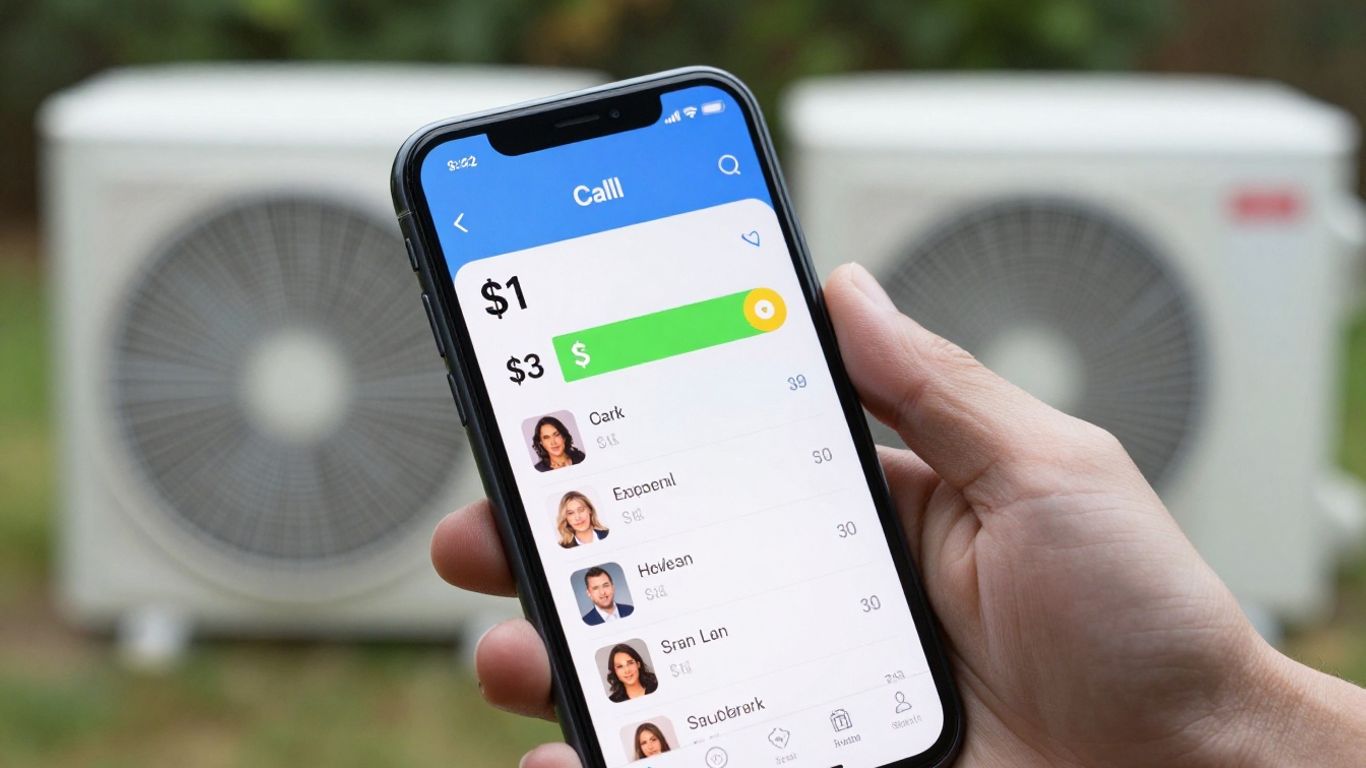
So, you've decided call tracking is the way to go for your HVAC business. That's a smart move. But just having the system isn't enough; you need to set it up right. Think of it like buying a fancy new tool: it's only useful if you know how to use it properly.
Choosing the Right Call Tracking Software
There are a bunch of call tracking options out there, and they aren't all created equal. You need to pick one that fits what you're trying to do. Some are super basic, just giving you a number and telling you where the call came from. Others are way more advanced, letting you record calls, score them, and even connect directly to your customer relationship management (CRM) software. For an HVAC business that gets calls about everything from emergency repairs to new installations, you'll want something that can handle a good volume and give you detailed info. Look for software that offers dynamic number insertion (more on that in a sec) and good reporting features.
Here's a quick rundown of what to look for:
- Integration Capabilities: Does it play nice with your existing tools, like your CRM or Google Analytics?
- Reporting Depth: Can you see call volume, duration, source, and even keyword data?
- Call Recording: This is a big one for quality control and training.
- Ease of Use: If it's too complicated, your team won't use it.
- Scalability: Can it grow with your business?
Setting Up Dynamic Number Insertion
This is where the magic happens for tracking where your leads come from. Dynamic Number Insertion, or DNI, is a technology that swaps out the phone number on your website based on where the visitor came from. So, if someone clicks on a Google Ad for 'furnace repair,' they might see one number. If they find you through a local SEO listing, they'll see a different number. This way, you know exactly which marketing effort brought that specific person to call you. It’s a game-changer for understanding what’s actually working. Accurate marketing attribution is the goal here.
Integrating Call Data with Your CRM
Okay, so you've got your call tracking software, and DNI is set up. Now what? You need to connect that call data to your CRM. Why? Because your CRM is likely where you manage all your customer interactions and sales. When a call comes in through a tracked number, you want that information, like the source, the keyword that triggered the ad, and maybe even the call recording link, to automatically pop up or be logged in your customer's record. This makes it way easier for your sales team to know who they're talking to and what brought them in. It also helps you see the full journey of a lead, from their first click to a signed installation contract.
Without this integration, you're just collecting data in two separate places. It's like having half the puzzle pieces. Connecting them gives you the full picture, showing you which marketing channels are not just generating calls, but generating calls that turn into actual, paying customers for big jobs like new HVAC installs.
This setup helps you avoid the common problem of not knowing which ad campaign or search term actually led to that big $15,000 installation job. It’s all about connecting the dots so you can spend your marketing money more wisely.
Analyzing Keyword Performance for HVAC Installs
So, you've got call tracking set up, numbers are popping up on your website, and calls are coming in. That's great! But how do you know which search terms are actually bringing in the big jobs: the new system installs that really move the needle for your business? It's not enough to just know you got a call; you need to connect that call to the exact reason someone picked up the phone. This is where digging into your keyword performance really pays off.
Connecting Specific Keywords to Install Calls
This is the heart of it all. You need to link the calls you receive directly back to the search queries people typed into Google (or Bing, or wherever). If someone searches for "new furnace cost" and then calls you, that's a goldmine of information. Your call tracking software, especially when paired with dynamic number insertion, should be able to tell you this. It swaps out phone numbers on your site based on the visitor's source, so when they call, the system logs that source. The goal is to see which keywords are consistently leading to calls that result in actual installation jobs, not just quick repair questions.
Here’s a quick breakdown of how to start connecting the dots:
- Review Call Data: Look at your call log. For each call, check the associated keyword. Is it "AC replacement near me," "heat pump installation quote," or something else?
- Tag Your Calls: Many systems let you tag calls. If a call is clearly about a new install, tag it as such. This makes sorting and reporting much easier.
- Cross-Reference with Sales: The real test is matching call data with your actual sales. Did the lead tagged as "new AC install" from the keyword "best air conditioner for home" actually turn into a sale? This is where you find your winners.
Measuring Cost Per Acquisition by Keyword
Once you know which keywords are bringing in install calls, you need to figure out how much each one is costing you. This isn't just about the ad spend for that keyword; it's the total cost divided by the number of successful installs generated from it. For example, if you spent $500 on ads for "HVAC installation services" and got 2 install jobs from calls originating from that keyword, your Cost Per Acquisition (CPA) for that keyword is $250. Compare that to "emergency AC repair," which might have a lower CPA but doesn't bring in the high-value install revenue.
Here’s a simple way to think about it:
| Keyword | Ad Spend | Install Calls | Total Cost per Install |
|---|---|---|---|
| "new furnace cost" | $300 | 3 | $100 |
| "AC replacement quote" | $450 | 2 | $225 |
| "HVAC maintenance plan" | $150 | 0 | N/A |
This kind of table helps you see where your money is actually working hardest for you. You want to find keywords with a low CPA for installs. It’s about finding those high-value lead sources that pay off.
Differentiating Informational vs. Transactional Keywords
Not all searches are created equal. Some people are just looking for information, while others are ready to buy. Understanding this difference is key to figuring out which keywords are truly driving install jobs.
- Informational Keywords: These are searches like "how does an air conditioner work?" or "what is a heat pump?" People using these terms are usually in the early stages of research. They might not be ready for an install call yet.
- Transactional Keywords: These are the ones you want for installs. Think "buy new AC unit," "HVAC installation prices," or "get a quote for furnace replacement." These searchers are signaling intent to purchase.
You need to be smart about where you focus your ad budget. Spending a lot on keywords that only generate informational queries means you're likely missing out on potential customers who are ready to sign a contract for a new system. Your call tracking data should help you sort these out, showing you which types of keywords are actually leading to those profitable install calls.
By carefully analyzing which keywords lead to calls, how much those calls cost, and whether they're informational or transactional, you can start to get a really clear picture of what's working and what's not for your HVAC installation business. This data is what helps you stop wasting money and start making smarter decisions about your advertising. It's also a good idea to keep an eye on your local rank tracker to see how your visibility impacts these calls.
Optimizing Ad Spend Based on Keyword Insights
So, you've got this great call tracking system in place, and you're seeing which keywords are actually bringing in those big-ticket install calls. That's fantastic! But what do you do with that information? It's not just about knowing; it's about doing. This is where you really start to make your advertising money work harder for you.
Allocating Budget to Top-Performing Keywords
This is the obvious first step, right? If you see that keywords like "furnace replacement cost" or "AC installation near me" are consistently leading to $15,000 install jobs, you want to put more money behind them. It’s like finding a gold mine: you don’t just walk away, you dig deeper. Think about increasing bids on these terms, or even expanding your ad groups to cover related phrases that these high-value customers might use. The goal is to capture as many of these profitable leads as possible.
Here’s a simple way to think about it:
- Identify: Pinpoint the keywords that generate the most valuable calls (i.e., actual installs, not just service calls).
- Quantify: Look at the cost per acquisition (CPA) for these keywords. If the CPA is well below the profit margin of an install, it's a winner.
- Invest: Shift more of your ad budget towards these proven performers. This might mean increasing daily budgets or raising bids.
Pausing Underperforming Search Terms
On the flip side, you're probably seeing keywords that eat up your budget but never seem to lead to a big sale. Maybe it's a broad term that attracts a lot of tire-kickers, or perhaps it's just not relevant to people looking for a new system. It’s tough to cut something you’re paying for, but sometimes, it’s the smartest move. Wasting money on ads that don't convert is like pouring water into a leaky bucket. You've got to plug the holes.
Consider this table:
| Keyword | Avg. Cost Per Click | Calls Generated | Install Calls | CPA for Installs |
|---|---|---|---|---|
| "HVAC repair" | $5.50 | 50 | 2 | $1375 |
| "new AC unit price" | $8.20 | 35 | 10 | $2870 |
| "emergency AC service" | $12.00 | 60 | 1 | $7200 |
| "furnace installation" | $9.50 | 40 | 15 | $2533 |
Looking at this, "emergency AC service" might be bringing in calls, but if those calls rarely turn into installs and have a high CPA, it might be time to pause it or at least heavily restrict it. You can use negative keywords to filter out irrelevant searches, like job postings or DIY repair questions, which is a smart way to prevent wasted ad spend on irrelevant searches.
Testing New Keyword Variations for Installs
Don't get too comfortable, though. The market changes, and so do people's search habits. What worked last year might not be as effective today. You need to keep experimenting. Try adding longer, more specific phrases (long-tail keywords) that indicate a strong intent to buy. Think about terms like "best energy efficient furnace for 2000 sq ft home" or "quote for dual-zone AC system installation". These are often less competitive and can bring in highly qualified leads.
You're not just guessing here; you're making educated bets based on what you've learned. Your call tracking data gives you the insights to know which direction to lean, but a little bit of testing keeps the engine running smoothly and prevents you from missing out on new opportunities.
It's a continuous cycle: analyze, adjust, and test. By actively managing your ad spend based on real keyword performance data, you move from just spending money to strategically investing it in ways that directly impact your bottom line. This proactive approach is key to maximizing your ROI.
Advanced Strategies for HVAC Lead Generation
Okay, so we've talked about the basics of tracking calls and figuring out which keywords are actually bringing in the big install jobs. But what if you want to get even smarter about it? There are some next-level moves you can make to really dial in your lead generation.
Leveraging Call Recordings for Quality Assurance
This is where things get really interesting. Most call tracking systems let you record calls. Don't just let those recordings sit there! Listen to them. You can learn a ton about what your customers are actually saying and what problems they're trying to solve. This isn't just about checking if your team is being polite, though that's important too. It's about understanding the customer's journey.
- Identify common pain points: Are people always calling about a specific AC issue in the summer? Or a furnace problem when the first cold snap hits?
- Spot opportunities for upselling/cross-selling: Did a customer mention their old water heater is on its last legs while calling about their AC? That's a potential second job.
- Improve sales scripts: Hear how your best salespeople handle objections or explain complex services. Use those winning phrases.
- Train new staff: New hires can learn by listening to real customer interactions, both good and bad.
Using Call Data to Refine Ad Creatives
Think about your online ads. Are they really speaking to the people calling you? By looking at the keywords that led to those $15K install calls, you can tailor your ad copy. If "emergency AC repair" brings in a lot of calls, but not necessarily the big install jobs, maybe your ad needs to be more specific about new system installations.
Here’s a quick look at how you might adjust:
| Keyword Group | Top Call Driver | Install Call Driver | Ad Copy Idea |
|---|---|---|---|
| AC Repair | Emergency AC | New AC Install | "Beat the Heat! New AC Systems - Fast Install" |
| Furnace Replacement | Furnace Tune-up | Furnace Upgrade | "Upgrade Your Heating: Energy-Efficient Furnaces" |
| HVAC Maintenance | Service Plan | System Replacement | "Protect Your Investment: Full HVAC Replacement" |
The language customers use in their calls is gold. If they're saying "my air conditioner is blowing hot air," your ad should probably say something similar, not just "AC Service." Match their words to build trust right from the ad.
Mapping Keywords to Specific Service Offerings
This is about getting granular. You probably offer more than just AC and furnace work. Maybe you do ductless mini-splits, heat pumps, or even commercial HVAC. Your call tracking data can show you which keywords are driving calls for each specific service.
For example, someone searching for "ductless AC cost" might be a prime candidate for a mini-split installation. If you're tracking calls effectively, you can see if that search term actually leads to a ductless install appointment. This helps you understand which services are most profitable and where to focus your marketing efforts. It's a great way to get more business for your HVAC company.
By digging into these advanced strategies, you're not just guessing anymore. You're using real data to make smarter decisions about where your marketing money goes and how to attract the best customers.
The Impact of Call Tracking on HVAC Business Growth
Scaling Your Business with Data-Driven Decisions
Call tracking takes a lot of the guesswork out of marketing. When you have real numbers on which keywords lead to big-ticket install calls, it’s easier to double down on what actually brings results. Instead of just gut feelings or rough estimates, HVAC companies can make smart decisions with data right in front of them.
- Spot trends quickly, like which ads work best in busy months
- Compare what works in different service areas
- Decide when to focus on installs, maintenance, or emergency services
If you’re after serious growth, using call tracking lets you stop wasting money on what’s not working and put your budget where it counts most. As All Contractor Marketing points out, growth relies on proven results, not just effort.
Clear call data helps businesses see exactly which marketing steps are making the phones ring, so they can plan for the future with more confidence.
Improving Customer Acquisition Efficiency
Getting new install customers costs money, but it doesn’t need to be a shot in the dark. Call tracking shows which ads deliver actual call-ins for services you want to grow, like those $15K replacement jobs. Compare cost per lead, track conversion rates, and spot which ads just drive tire-kickers.
| Campaign Type | Avg. Cost per Install Lead | Conversion Rate (�25) |
|---|---|---|
| Branded Search | $85 | 30 |
| Generic HVAC Ads | $150 | 10 |
| Seasonal Offers | $120 | 15 |
- Find which keyword brought in high-value jobs
- Cut spending on ads with very few conversions
- Adjust quickly when demand changes
With this kind of clear performance feedback, teams can spend less getting each new customer on board.
Achieving Predictable Revenue Streams
Growing an HVAC business isn’t just about landing big jobs; you want consistency month to month. Setting targets is easier when you know which keywords and ads fill your pipeline with steady leads. By tracking which marketing efforts reliably drive install calls, you can:
- Forecast revenue based on call trends
- Schedule staff better with stable workloads
- Invest confidently in expanding to new markets
Even in a market shifting with industry trends, businesses that rely on call tracking data can adapt without as many surprises.
So, if you want to hit your revenue goals and build a stronger HVAC company, putting call tracking at the heart of your strategy just makes sense.
Want to see how tracking calls can help your HVAC business get bigger and better? It's a smart way to understand what's working and what's not. You can learn more about how this works and start growing your business today. Visit our website to discover the secrets to success!
So, What's the Takeaway?
Look, tracking where your calls come from isn't just some techy thing for geeks. It's how you figure out what's actually making you money. If you're spending cash on Google, Facebook, or wherever, and you don't know which ad or keyword led to that big $15,000 install, you're basically throwing money away. Setting up call tracking properly, even if it feels like a hassle at first, means you can see which campaigns are bringing in the good leads and which ones are just noise. That's how you stop wasting ad spend and start making more of those big, profitable jobs happen. Don't guess; know.
Frequently Asked Questions
What is call tracking and why is it important for my HVAC business?
Call tracking is like having a special phone number for each way you advertise. It helps you see exactly which ads or keywords lead to people calling you for an HVAC installation. This is super important because you want to know which ads are actually bringing in money, not just wasting it.
How can I figure out which keywords are bringing in the most expensive calls?
You use special software that connects your ads to unique phone numbers. When someone calls one of those numbers, the software tells you which keyword or ad they clicked on. This way, you can see if 'AC repair near me' or 'new furnace cost' is leading to those big installation jobs.
What's the point of knowing which keywords lead to calls for big jobs?
Knowing this helps you spend your advertising money smarter. If you know that people searching for 'high-efficiency air conditioner installation' are more likely to buy a whole new system, you can put more money into ads that target those searches. It's all about getting the most bang for your buck.
Can call tracking help me if I use Google Ads or Facebook Ads?
Absolutely! Call tracking works great with online ads. You can set it up so that each Google Ad or Facebook Ad gets its own tracking number. This way, you can tell if your Google search ads or your Facebook ads are bringing in more calls for HVAC installations.
What's the difference between a call for information and a call for an install?
A call for information might be someone asking about fixing their current AC unit. A call for an install is usually someone ready to buy a brand new system. By tracking calls, you can see which keywords bring in those valuable 'ready-to-buy' calls, which are often worth more.
How does tracking calls help my HVAC business grow?
When you know what's working, you can do more of it! You can focus your ad budget on the keywords and ads that bring in the most installation calls. This means you get more customers, make more money, and your business can grow in a more planned and steady way.