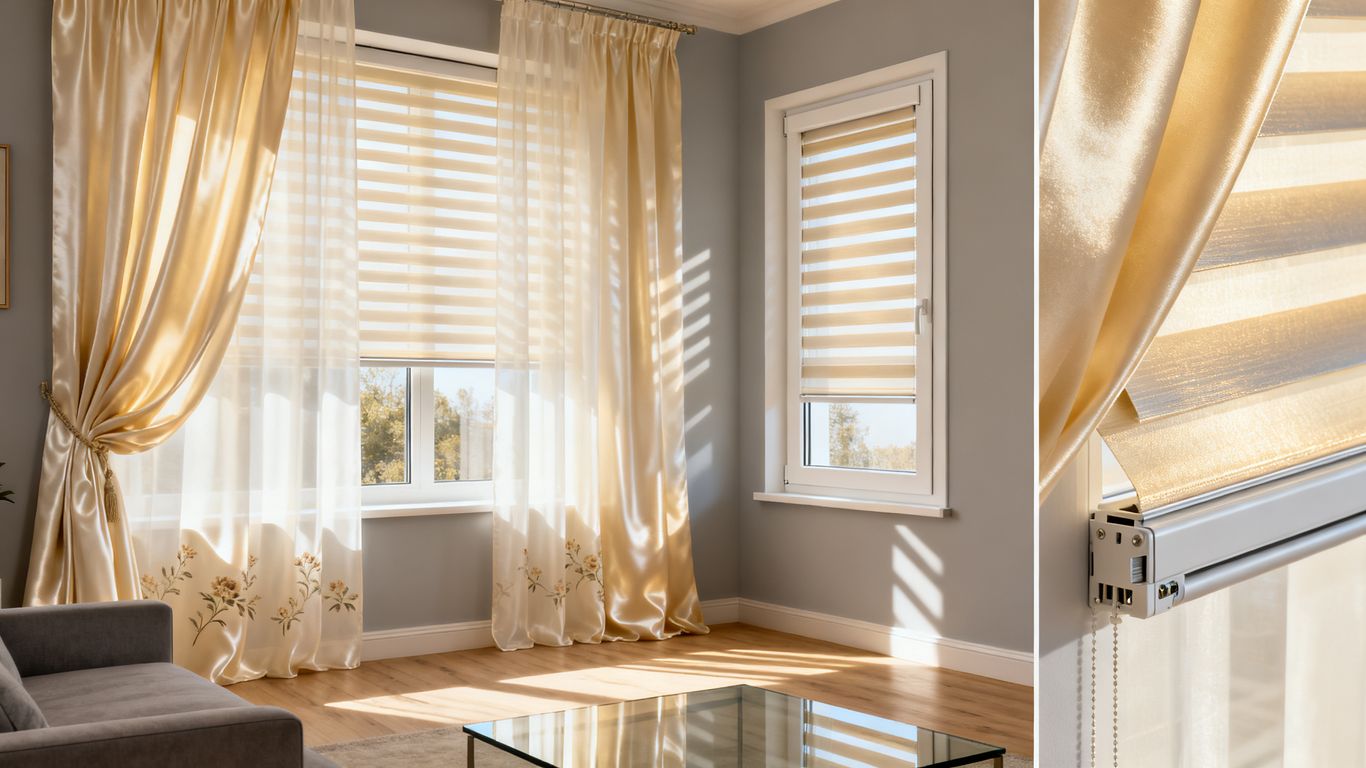
Thinking about how to get more from each window treatment job? It’s not just about selling blinds for one room. Imagine selling treatments for the whole house. This approach, often called a window treatment whole home upsell, can really change how much money you make from each customer. It's about seeing the bigger picture and helping homeowners do the same, making their homes look great from top to bottom. We'll look at how to make this happen and why it works so well.
Key Takeaways
- Selling window treatments for an entire house at once, known as a window treatment whole home upsell, can significantly increase the value of each job.
- A unified look across all rooms creates a better experience for the homeowner and can lead to more business from them later.
- Presenting the whole-home option means showing customers how all the treatments work together, not just as individual pieces.
- Using ads, especially on platforms like Meta, to show before-and-after photos of entire homes can attract homeowners looking for a complete update.
- Making the sales process smoother and training your team to talk about the full-home benefits are important steps for success with a window treatment whole home upsell.
Unlock Higher Revenue With A Window Treatment Whole Home Upsell Strategy
Understanding The Power Of A Unified Vision
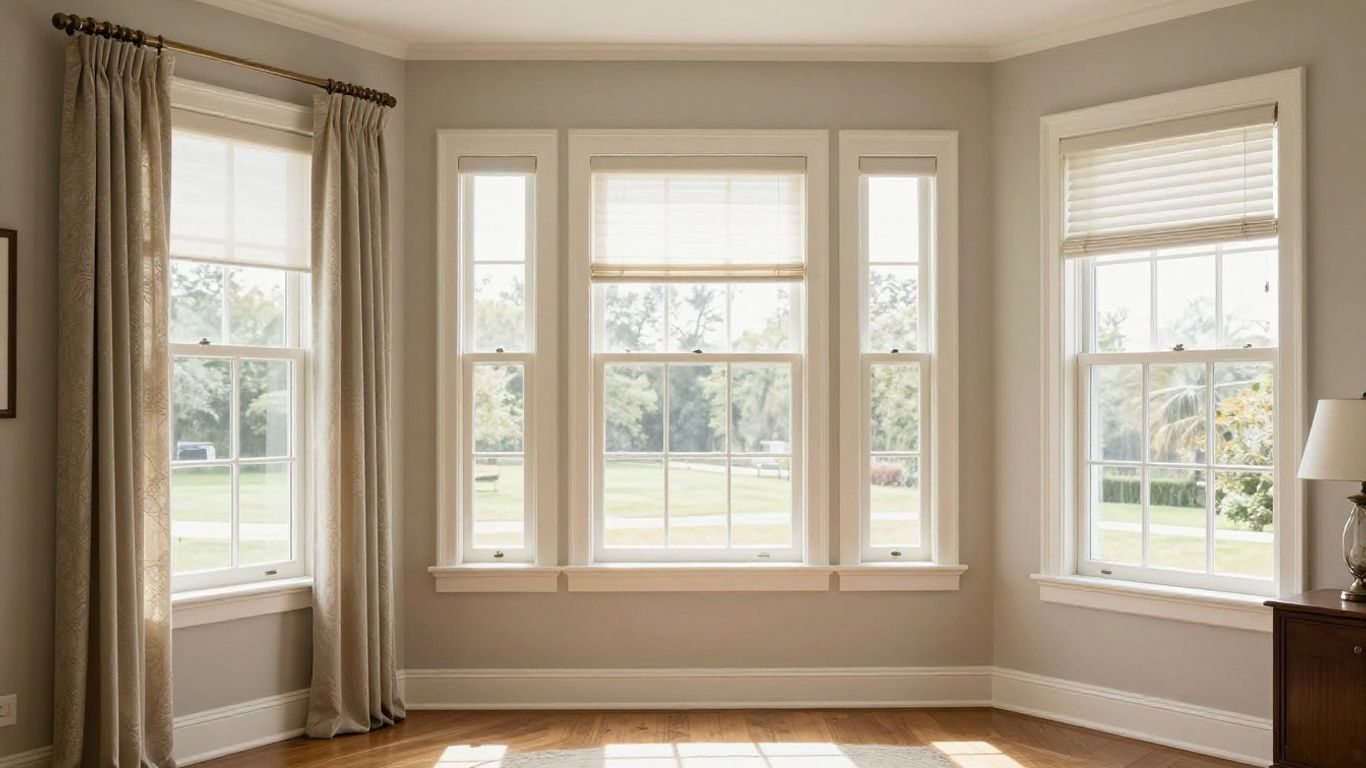
Think about it: when a client starts a home project, they're often picturing the whole place looking right. They might come in for just the living room curtains, but their mind's eye sees the kitchen blinds, the bedroom shades, and maybe even the patio door coverings all working together. Selling room by room is like selling individual pieces of furniture instead of a whole room design. When you present a plan for the entire house, you tap into that bigger vision. It makes the client feel like you truly get what they're trying to achieve, not just ticking off one window at a time. This approach shows you're thinking about the overall feel and flow of their home.
Maximizing Customer Lifetime Value
Getting a new customer is great, but keeping them coming back is where the real money is. When you successfully upsell to a whole-home package, you're not just making a bigger sale now, you're building a relationship. This client is now much more likely to think of you for future needs, whether it's updating a different room later or recommending you to friends. It’s about building trust and showing you can handle their entire home.
Here’s a simple way to look at it:
- Single Room Sale: One transaction, potentially one-time.
- Whole-Home Package: Larger initial sale, higher chance of repeat business and referrals.
- Ongoing Relationship: You become their go-to for all things window treatments.
This strategy turns a one-off job into a long-term customer.
The Strategic Advantage Of Full-Home Solutions
Offering full-home solutions gives you a serious edge over competitors who only focus on individual rooms. It positions you as a more complete service provider. Clients appreciate the convenience of dealing with one company for all their window treatment needs. It simplifies their decision-making process and reduces the hassle of coordinating with multiple vendors.
When you present a unified plan, you're not just selling window coverings; you're selling peace of mind and a cohesive home aesthetic. This makes your service feel more premium and less like a commodity.
This approach can really change how clients see your business. It moves you from being just another installer to a design partner for their entire home.
Transforming Single Sales Into Comprehensive Projects
It's easy to get stuck thinking about window treatments room by room. A customer comes in wanting blinds for their living room, and that's what you focus on. But what if that single sale is just the start? Thinking bigger, about the whole house, can really change how much a job is worth. It's about shifting from just selling a product to solving a homeowner's entire window covering need.
From One Room To The Entire Residence
Most people don't wake up one morning and decide they need new curtains for just one window. Usually, there's a bigger picture in mind, even if they haven't fully thought it through. Maybe they're redecorating, or they've just moved in and want everything to look just right. When a client asks about blinds for their kitchen, it's a good moment to ask about the rest of the house. You could say something like, "That's a great choice for the kitchen. Are you thinking about updating the window treatments in other areas of your home as well? We find many clients like to create a consistent look throughout."
This approach helps you see the potential for a larger project. Instead of just selling one set of blinds, you're looking at potentially outfitting multiple rooms. This isn't about being pushy; it's about being helpful and showing them possibilities they might not have considered. It's a way to grow accounts without being pushy.
Elevating The Customer Experience
When you help a customer plan window treatments for their whole home, you're doing more than just selling. You're helping them create a unified look and feel. Imagine walking into a house where every room has blinds or curtains that complement each other. It just feels more put-together, right? This kind of thoughtful planning makes the whole process easier for the homeowner. They don't have to go through the decision-making process multiple times for different rooms.
Here’s how you can make it a better experience:
- Offer a design consultation: Go beyond just measuring. Talk about style, light control, and privacy needs for each space.
- Showcase consistency: Explain how choosing the same style or color palette across rooms creates a cohesive flow.
- Provide a package deal: Offer a slight discount or added service when they commit to multiple rooms. This makes the decision to go whole-home more appealing.
Thinking about the entire house from the start means you can plan for a consistent aesthetic. This saves the client time and potential headaches down the line when they realize their living room curtains don't quite match their bedroom ones.
Building Brand Loyalty Through Complete Service
When you handle a whole-home project, you're showing the customer that you can manage a bigger, more complex job. This builds trust. They see you as a reliable partner, not just a one-off vendor. This kind of positive experience is what gets people talking and coming back. It's also a great way to get referrals. Happy customers who feel like you've taken care of their entire home are more likely to recommend you to friends and family. This is a key strategy for flooring dealers looking to increase revenue by maximizing every customer interaction.
Think about it: if a customer has a great experience getting their entire house done by you, they're probably not going to look elsewhere for future needs. They already know you can deliver. This complete service approach turns a single transaction into a long-term relationship, which is good for business all around.
The Art Of Presenting A Window Treatment Whole Home Upsell
Selling window treatments for an entire house isn't just about slapping blinds on every window. It's about painting a picture for the homeowner, showing them how a unified look can make their whole place feel more put-together and, honestly, more valuable. You're not just selling fabric and hardware; you're selling a feeling, a cohesive design that flows from room to room.
Communicating Value Beyond Individual Treatments
When you talk to a customer about doing their whole house, you need to shift the conversation. Instead of focusing on the price of one set of drapes, talk about the overall impact. Think about how consistent styles can make a small room feel bigger or how the right treatments can control light and temperature throughout the entire home. It’s about the big picture, not just the individual pieces. This approach helps clients see the forest for the trees, understanding the cumulative benefits.
- Energy Savings: Explain how consistent window coverings can reduce heating and cooling costs across the board. Mention specific R-values or light-blocking capabilities that apply house-wide.
- Aesthetic Harmony: Discuss how a single design theme or color palette ties the whole house together, making it feel more intentional and professionally designed.
- Convenience: Highlight the ease of having all windows treated at once, simplifying the process for the homeowner and often leading to a better overall installation.
Visualizing The Cohesive Aesthetic
People need to see it to believe it. Showing them what a whole-home solution looks like is key. This could mean having a portfolio of completed whole-home projects, using design software to create mock-ups, or even pointing out examples in magazines or online that showcase unified window treatments. You want them to imagine their own home looking that good. It’s helpful to talk about current 2026 home design trends and how your window treatments can fit into that vision.
Addressing Client Concerns Proactively
Homeowners might worry about the cost, the disruption, or making the wrong choice for their entire house. Be ready to talk through these. Break down the costs over time, explain your installation process to minimize mess, and offer reassurance that you'll guide them through every decision. Sometimes, a simple explanation of how you handle customer objections can go a long way.
It's easy to get caught up in the details of individual rooms. But when you're selling a whole-home package, you're selling a lifestyle upgrade. You're offering a solution that simplifies their lives and makes their home a more comfortable, beautiful, and valuable place to be. Think of it as interior design for their windows, applied everywhere.
Here’s a quick way to think about the benefits:
| Benefit Category | Description |
|---|---|
| Financial | Reduced energy bills, increased home value |
| Aesthetic | Unified look, improved interior flow |
| Practical | Consistent light control, privacy, and comfort |
| Time Savings | One project, one team, less hassle for owner |
Leveraging Digital Marketing For Window Treatment Whole Home Upsells
So, you've got this great idea to sell whole-home window treatments, which is smart. But how do you get people to actually buy it? That's where digital marketing comes in. It's not just about showing off pretty blinds; it's about showing people a whole new way to see their house.
Targeting Homeowners Ready For A Full Makeover
Think about who's actually looking to do a big house project. They're probably already searching online for interior design ideas, renovation tips, or even specific room makeovers. We can find these folks. We use tools to see who's searching for terms like "whole house renovation," "interior design ideas for multiple rooms," or "updating all windows." This helps us put our whole-home package in front of people who are already thinking big. It's like catching them when they're already in the mood to spend more on their home.
Showcasing Before-And-After Transformations
People love seeing what's possible. A single room makeover is cool, but showing a whole house transformed? That's powerful. We create content that highlights these big changes. Imagine a split screen: one side shows a house with mismatched, old window coverings, and the other side shows the same house with a beautiful, consistent look throughout every window. We can use short videos or photo carousels to walk people through the entire house, room by room, showing how the new treatments tie everything together. This visual proof makes the whole-home concept much more real and desirable.
Utilizing Meta Ads For Visual Storytelling
Meta ads (that's Facebook and Instagram) are perfect for this. They're super visual. We can run campaigns showing stunning photos and videos of homes that have had the full treatment. We can target people based on their interests, like home decor, real estate, or even specific life events like moving into a new home. We can also use retargeting to show ads to people who visited our website but didn't buy, reminding them of the cohesive look they could achieve. It's about telling a story with pictures and short text that makes them think, "Wow, my house could look like that."
When you're marketing a big package like this, it's easy to get lost in the details. But people buy the feeling, the look, the convenience. Focus on showing them the end result – a beautifully unified home – rather than just listing off the types of blinds you offer for each room. Make it aspirational.
Here's a quick look at how we might structure a campaign:
- Ad Set 1: Awareness - Broad targeting, showing aspirational whole-home transformations. Goal: Get people interested.
- Ad Set 2: Consideration - Targeting people who engaged with Ad Set 1, showing more specific benefits and testimonials. Goal: Get them thinking about us.
- Ad Set 3: Conversion - Retargeting website visitors, offering consultations or special package deals. Goal: Get the sale.
We also want to make sure our website clearly explains the benefits of a whole-home package. It's not just about getting window treatments for every room; it's about creating a consistent style and potentially saving money on bulk orders. We can even have a section dedicated to showcasing completed whole-home projects, linking to design inspiration that shows how different rooms flow together.
Operationalizing The Window Treatment Whole Home Upsell
So, you've got this great idea to sell whole-home window treatments. That's awesome! But how do you actually make it happen without things getting messy? It’s all about having a solid plan for how your business will handle it day-to-day. This isn't just about selling more; it's about making the whole process smoother for you and the customer.
Streamlining The Consultation Process
When a customer is thinking about doing their whole house, the first meeting needs to be different. Instead of just talking about one room, you're looking at the big picture. This means your team needs to be ready to discuss how different styles work together, talk about light control across the entire home, and figure out the best materials for each area. It’s a bit like a home decorator coming in, but focused just on the windows. You want to make it easy for them to see the possibilities.
- Initial meeting: Set aside more time than a single-room consult. Bring samples that show how different treatments look side-by-side.
- Measurement: Get precise measurements for every window. A small mistake here can cause big problems later.
- Proposal: Break down the costs room by room, but also show the total package price. This helps customers see the savings of buying in bulk.
- Follow-up: Have a clear plan for checking in after the initial meeting, maybe with some digital mock-ups if possible.
The goal here is to make the customer feel like they're getting expert advice that covers their entire home, not just a collection of individual window treatments. This builds trust and makes them more likely to go with your full package.
Training Your Sales Team On The Upsell
Your sales folks are the front line. They need to know how to talk about the whole-home idea naturally. It’s not about pushing more stuff; it’s about showing the benefits. They should be able to explain how a consistent look makes a home feel more put-together and how buying everything at once can sometimes mean better pricing or easier scheduling. Think about giving them specific training on how to spot opportunities for a whole-home sale during a regular consultation. Sales enablement systems can help provide real-time tips during these conversations.
Ensuring Seamless Installation Across All Rooms
This is where the rubber meets the road. If you promise a whole-home solution, the installation has to be smooth. This means your installation crews need to be organized. They should know the plan for the entire house before they even start. Coordinating schedules so that all rooms are done efficiently is key. Maybe you tackle one floor at a time, or group rooms by type of treatment. Whatever the system, it needs to be clear and well-managed. Tracking things like the sales per repair order can give you an idea of how well your upsell strategy is working, even if it's not a repair order in this case, the principle of tracking value per customer interaction applies.
- Scheduling: Plan the installation timeline carefully, considering the number of rooms and the complexity of each treatment.
- Crew Coordination: Ensure installers know the full scope of work and communicate effectively with each other.
- Quality Check: Have a final walkthrough with the homeowner after all installations are complete to confirm satisfaction.
- Post-Installation Support: Provide clear care instructions and information on warranties for all treatments installed treatments installed treatments.
Measuring Success In Your Window Treatment Whole Home Upsell
So, you've put in the work to get your team selling whole-home window treatment packages. That's great! But how do you know if it's actually paying off? You can't just guess; you need to track things. Knowing your numbers tells you what's working and what needs a tweak. It’s about seeing if this whole-home approach is really making your business more money.
Tracking Average Order Value Increases
This is probably the most direct way to see if the whole-home upsell is working. When a customer buys treatments for more than one room, or for their entire house, their total bill goes up. We need to watch this number closely.
Here’s a simple way to look at it:
| Metric | Before Whole-Home Upsell | After Whole-Home Upsell | Change |
|---|---|---|---|
| Average Order Value (AOV) | $850 | $1,750 | +105% |
| Number of Rooms per Order | 1.5 | 3.2 | +113% |
| Average Spend per Room | $567 | $547 | -3.5% |
See how the AOV jumped? That’s the goal. Even if the average spend per room dipped a little, the overall increase in the number of rooms sold makes the whole package much more profitable. This shows customers are buying into the idea of doing more rooms at once. You can see how presenting clear packages helps customers understand the value [b03d].
Monitoring Customer Satisfaction Scores
It’s not just about the money, though. Are customers happy with the bigger purchase? A whole-home job is a big deal for a homeowner. If they feel pushed into it or if the process gets messy, they won't be thrilled. We want them to feel good about their decision.
- Post-Installation Surveys: Send out short surveys a week or two after the job is done. Ask specific questions about their experience with the sales process, the installation, and the final look.
- Online Reviews: Keep an eye on Google, Yelp, and other review sites. Look for comments mentioning the whole-home experience, good or bad.
- Direct Feedback: Encourage your team to ask for feedback during follow-ups. Sometimes a quick phone call can reveal a lot.
A happy customer who got their whole house done is more likely to tell their friends and family. This kind of word-of-mouth is gold, especially when it comes to bigger projects.
Analyzing Repeat Business And Referrals
When you do a great job on a whole-home project, you build a strong relationship with that customer. They see you as the go-to for their window needs. This can lead to them coming back for future projects or sending new clients your way.
Think about it: if someone just had their entire living room and master bedroom done, and then a year later decides to tackle the guest rooms, who are they going to call? Hopefully, it's you. Tracking how many of your whole-home clients come back for more, or how many new clients mention they were referred by a previous whole-home customer, is a solid indicator of long-term success. This kind of repeat and referral business is often less expensive to acquire than finding brand new customers, making it a very efficient way to grow [215b].
Knowing if your window treatment sales are doing well is super important. Are you selling more whole-home packages? We can help you figure that out. Want to see how your business is growing? Visit our website today to learn more!
It's More Than Just Blinds
So, when you're talking to a homeowner about new window treatments, don't just think about the living room curtains. Think about the whole house. Offering a package deal, maybe for all the windows or even bundling in some smart home tech that works with the shades, can really change the game. It's not just about selling more stuff; it's about giving the customer a complete solution and, for you, it's a smart way to boost the value of each job. Seriously, it’s a win-win. You make the client happier with a finished look, and your business makes more money. Pretty straightforward, right?
Frequently Asked Questions
What exactly is a 'whole-home package' for window treatments?
Think of it like this: instead of just buying blinds for one window, you're getting window treatments for your entire house all at once. It's about making every room look great and work together, creating a consistent style throughout your home.
Why would someone want to buy treatments for their whole house instead of just one room?
It's often easier and can even save money in the long run. Plus, it makes your whole house look more put-together. Imagine all your windows having a similar, stylish look – it really boosts your home's appeal and comfort.
How does selling whole-home packages help my business make more money?
When you sell a package for the whole house, it's a much bigger sale than just one room. This means more money from each customer. It also makes customers happier, so they're more likely to come back or tell their friends about you.
What's the best way to talk to customers about buying for their whole house?
Focus on the benefits! Show them how a unified look makes their home feel more special and valuable. Mention how it simplifies things for them – one decision for all their windows. Visuals are key; show them examples of homes with matching treatments.
How can online ads help me sell these bigger packages?
You can use ads on platforms like Facebook and Instagram to show off amazing 'before and after' pictures of entire homes. This grabs people's attention and makes them imagine the same transformation for their own place. Targeting people who are already thinking about home improvements is smart.
What if a customer is worried about the cost of a whole-home package?
Address their concerns head-on. Explain the value – it's not just about the window treatments, but the overall improvement to their home. You can also talk about financing options or how buying in bulk can sometimes lead to better pricing. Break down the cost per room to make it seem more manageable.