Why Your Door Company Landing Page Converts at 2% (And What 10% Pages Do Differently)
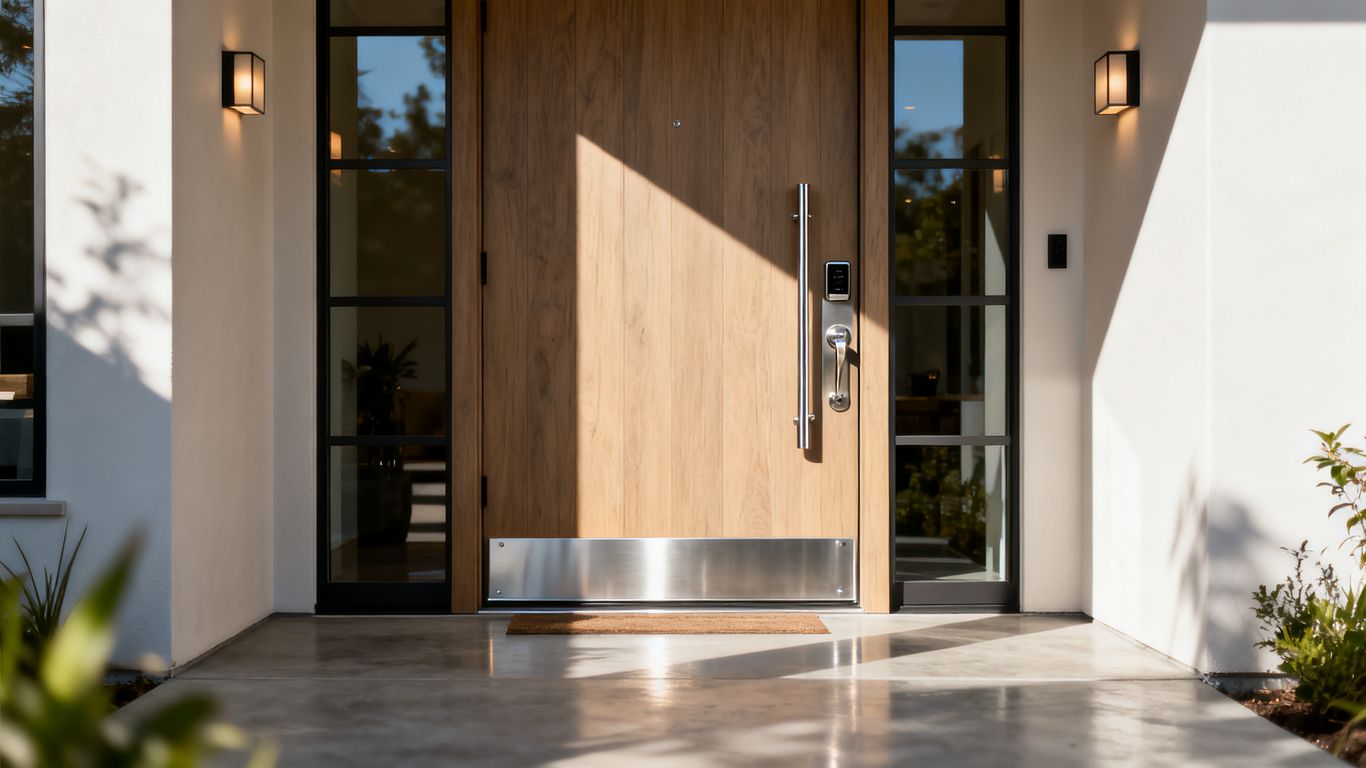
Key Takeaways
Optimizing your website requires a shift from passive design to active, conversion-driven architecture. By refining your offer and removing technical friction, you can significantly improve your bottom line.
- Align your message directly with the specific intent of the searcher.
- Reduce the number of input fields on contact forms.
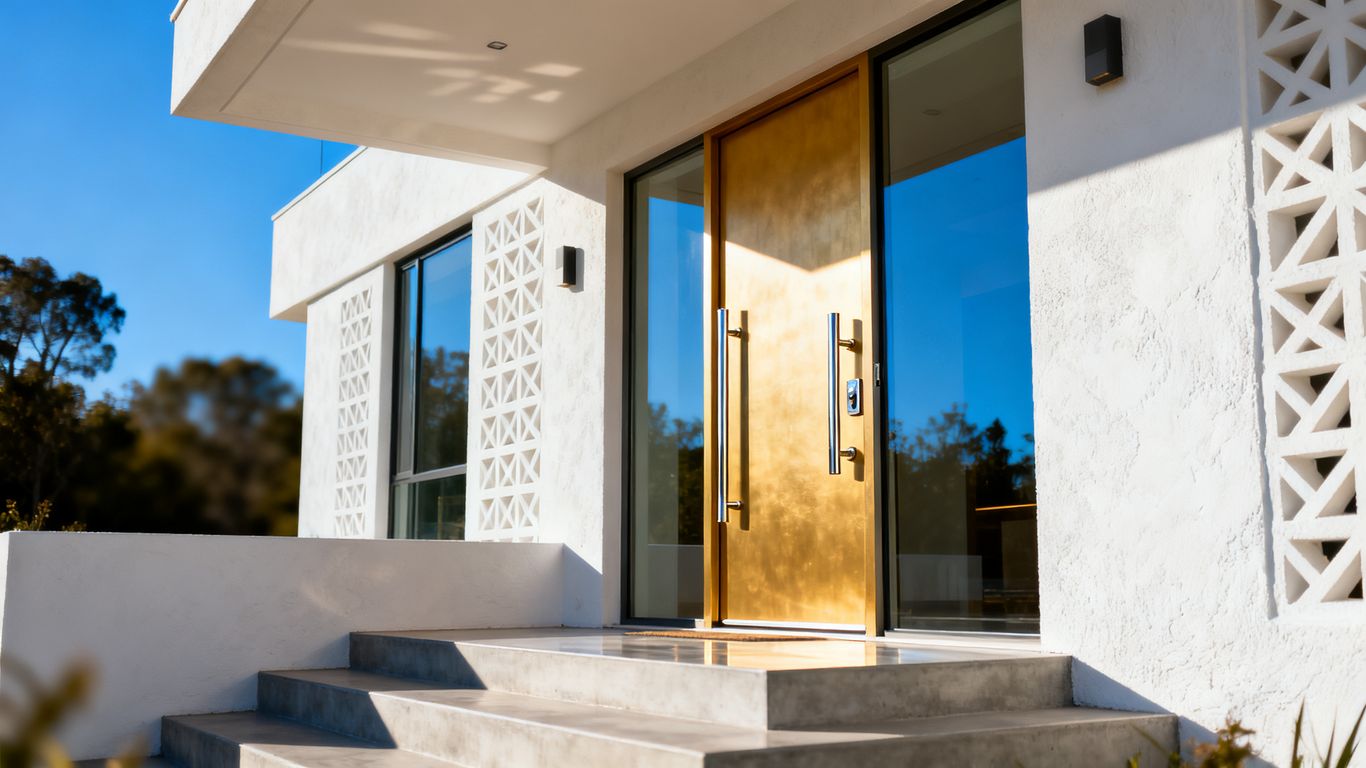
- Use high-quality imagery to demonstrate final installation quality.
- Ensure mobile responsiveness for users scrolling on the go.
- Direct all traffic toward a single, clear objective.
Why Your Door Company Landing Page Conversions Might Be Slow
The Math Behind 2% Conversions
A 2% conversion rate on a door company landing page conversion rate typically stems from a lack of focus or a disconnect between the ad clicked and the page destination. When a user searches for "custom front doors" and lands on a general home page filled with navigation links and diverse service categories, their motivation to take action starts to cool immediately. Visitors lose their train of thought when they have to navigate a complex site just to find a quote, especially when they were ready to commit after seeing a compelling ad.
| Feature | Average Conversion Page | Top-Performing Page |
|---|---|---|
| Navigation Links | 20+ | Zero |
| Input Fields | 10+ | 3-4 |
| Load Time | 5+ seconds | Under 1 second |
| CTA Consistency | Multiple goals | Single goal |
This discrepancy in performance highlights why structure matters more than design aesthetics. When your page mimics a general website, it dilutes the visitor's focus, making them wonder if they are in the right place to replace their entryway system.
Analyzing the 10% Industry Gap
High-performing pages maintain momentum by keeping the user in a flow state from the search result to the final inquiry. These sites understand that the visitor is looking for a solution, not a history lesson about the business. By using Calendly for frictionless scheduling, these companies allow homeowners to secure a consultation immediately after reading the value proposition. This is how they elevate their performance beyond the industry average, by treating the landing page as an appointment engine rather than a static digital brochure.
A focused user journey relies on removing every distraction that does not drive the visitor toward the primary conversion goal.
When a site minimizes cognitive load, the decision-making process becomes easier for the homeowner. They do not have to struggle to identify whether your team can handle their specific door model, as that information is clearly presented and prioritized. Even if your current volume is sufficient, failing to optimize these elements leaves significant opportunity on the table.
Optimizing Your Conversion Strategy
Removing Friction Points
Friction represents any hurdle that slows down a user, such as slow load times or unnecessary form fields. If you are comparing your process to Total Guitar Transformation Academy, you can see how structured feedback and clear expectations keep users engaged longer. Applying this level of clarity by limiting menu options reduces the likelihood that a visitor wanders off your page and onto a competitor’s site. You should aim for a layout that is so simple that a mobile user can finish their request while waiting for their coffee.
- Strip away all headers and footer navigation links.
- Ensure your phone number is clickable at the very top.
- Limit contact forms to name, phone, and property type.
- Add social proof like project photos near the lead form.
By simplifying these interactions, you ensure that the effort required to contact you is outweighed by the excitement of getting a new, high-quality entryway. The goal is to make the entire process feel like a smooth exchange of information rather than a chore.
Strengthening Your Value Proposition
Your value proposition must answer the "why us" question before the user even considers scrolling further down. While some businesses attempt to list your house on the MLS as a standalone solution, your door company should emphasize the durability and aesthetic appeal of your installations. When you clearly state your expertise and show evidence of your work, you build the kind of trust that encourages a visitor to click your call-to-action. If you follow the methods practiced by teams at Elite Trader Funding regarding risk management and goal setting, you can apply similar discipline by auditing your landing page content for clarity.
Every section should reinforce why a homeowner should choose your service, whether it is for security doors or custom wood entryways. Once you have defined this value, your landing page becomes a tool that filters for high-intent visitors and encourages them to take the next step. Keeping these elements consistent builds professional legitimacy, ensuring your site converts at a higher rate repeatedly.
Conclusion
Improving your conversion rate requires moving away from the "website as a brochure" ideology toward a refined model focused on singular objectives and minimal distraction. By auditing your current setup, removing unnecessary friction, and aligning your message with the specific needs of your customer, you can bridge the gap from a 2% baseline to a much more productive performance level.
Frequently Asked Questions
What is a good conversion rate for a home service landing page?
Most agencies look for conversion rates between 5% and 10%. Anything above 10% is usually considered exceptional and suggests that the traffic and the offer are perfectly aligned.
Does page speed impact conversion rates?
Yes, absolutely. Research consistently shows that for every second your page takes to load, you lose a significant percentage of potential leads who bounce before the site even displays.
Should I include a navigation bar on a dedicated landing page?
It is better to remove navigation bars entirely. A landing page should have one singular purpose, and navigation links allow users to wander away from your lead capture focus.
How many fields should my contact form have?
Ideally, keep your form to as few fields as possible. Name, phone number, and a brief description of the service needed are usually sufficient to initiate a follow-up conversation.
Is it better to use a phone number or a form?
A mix of both is best. Some visitors prefer to call immediately to get an answer, while others feel more comfortable leaving their details to be called back at their convenience.
Does mobile design matter for door companies?
Mobile-first design is critical. Most homeowners will conduct their initial search for services while on their smartphones, meaning your page must be fast and easy to navigate on small screens.
How do I know if my landing page has too much content?
If your page requires the visitor to scroll multiple times to reach a call-to-action button or answer their main questions, it has too much content. Keep the most important information above the fold.