Winter Marketing for Landscapers: Snow Removal Ads, Holiday Lighting, and Planning Season

Key Takeaways
Winter marketing works best when it follows local demand, crew availability, and the services your business can deliver profitably.
- Match campaign timing to local weather and customer planning habits.
- Give snow removal ads clear service areas, response expectations, and booking paths.
- Promote holiday lighting early, with an offer and booking limit your crew can support.
- Keep appropriate winter services visible to past customers and new prospects.
- Use winter campaign results to prepare for spring inquiries and future budgets.
Build a winter marketing plan around seasonal demand
Winter is not one uniform marketing season. A landscaping company winter marketing plan should reflect local weather, the work your crews can perform, and when customers tend to start asking about each service. Set that direction before building ads or updating your website, so the promises you make match what the business can deliver.
Map your services to local weather and buying windows
Start with your own service history and the conditions in the places you serve. In a snowy market, customers may look for snow clearing as storms approach; holiday lighting customers may be planning weeks earlier. Milder winters can shift attention toward cleanup, pruning, or landscape design. A useful winter service mix starts with what local customers need and what your team is equipped to do.
Make a simple calendar for each service: when people begin researching, when you can take bookings, and when jobs can realistically be completed. Those windows do not have to be exact to be useful. Revisiting them each year helps you avoid running a campaign too early, or waiting until the most valuable booking window has passed.
Set revenue goals for snow, lighting, and off-season work
Set goals by service, not just one winter revenue target. Snow agreements, one-time jobs, lighting installations, and other off-season work have different scheduling needs and economics. A planning table can help keep those assumptions visible while you decide how much attention each service deserves.
| Service | Demand signal | Planning measure |
|---|---|---|
| Snow removal | Forecasts, inquiries, and renewals | Bookings and agreement value |
| Holiday lighting | Early inquiries and installation requests | Jobs scheduled before peak weeks |
| Pruning or cleanup | Local conditions and customer requests | Profitable jobs within crew capacity |
| Spring projects | Early planning inquiries | Qualified leads for follow-up |
Use the table as a working forecast rather than a promise. Compare planned bookings with actual crew hours and expected job value as the season develops; if one service fills up, you can adjust its advertising before extra leads become a dispatch problem.
Prioritize services based on crew capacity and profit margins
A service can generate interest and still be a poor fit if equipment, staffing, travel time, or margins do not work. Before putting budget behind it, consider the full job: how long it takes, how far crews travel, what materials or machinery are needed, and whether it displaces more profitable work. Capacity should shape the campaign, not just the other way around.
A short capacity check makes the choice more concrete:
- Confirm which crews and equipment are available during the likely booking window.
- Estimate travel time and job duration for the areas you plan to advertise.
- Compare expected job value with labor, materials, and other direct costs.
- Set a booking limit or pause point for services that fill quickly.
This does not need to become a complicated forecasting model. Even a weekly review of booked work and available crew hours can help you decide whether to keep promoting a service, shift budget, or offer customers a later date.
Generate snow removal leads with paid ads
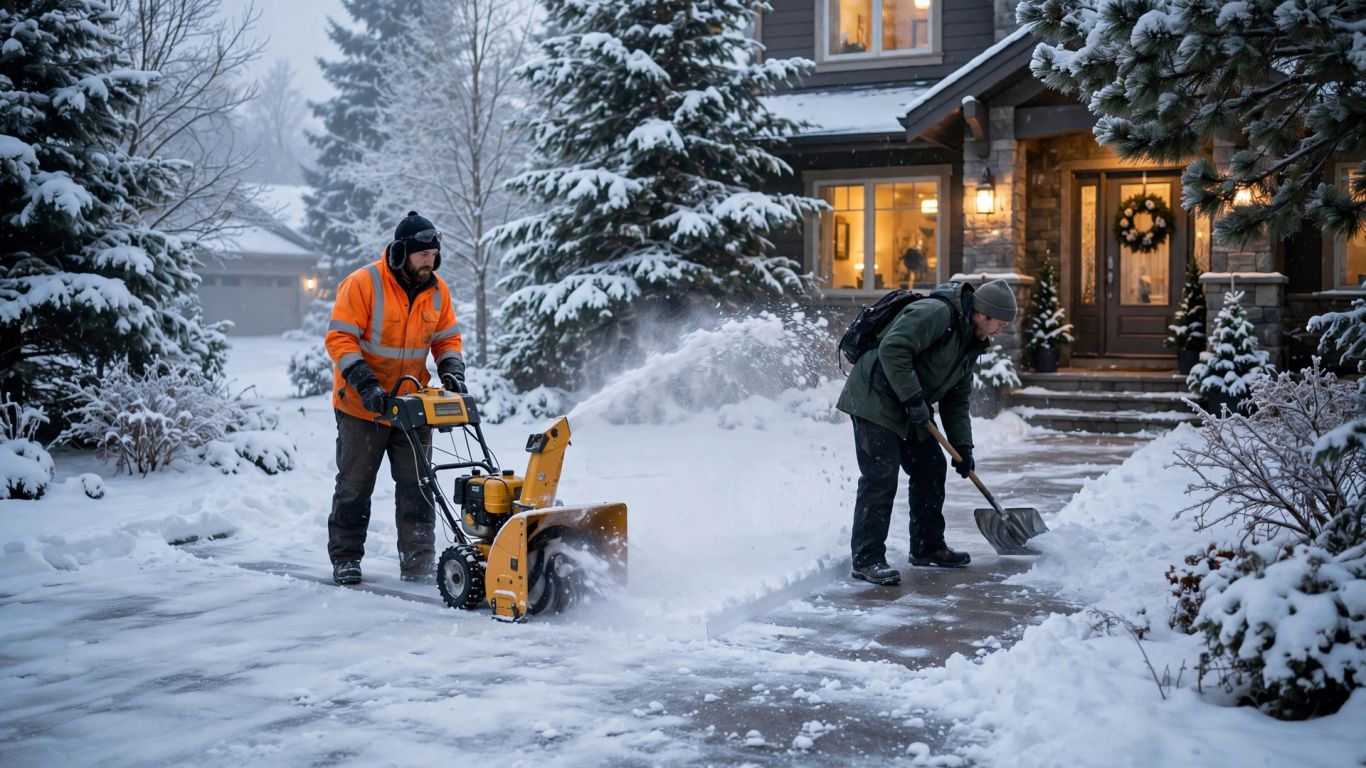
Snow removal demand can change quickly when the weather turns, so campaigns need to make the next step easy for someone looking for service now. Start with a clear definition of the neighborhoods you serve and the types of work you can accept. Then connect the ad to a page or call path that helps a prospect understand availability without guessing.
Target high-intent searches with Google Ads
Search campaigns can focus on people actively looking for snow clearing, driveway plowing, or commercial snow service in your area. Build tightly themed ad groups around the services you actually provide, and use location settings that reflect where your crews can respond. If a term is producing clicks but not qualified calls or forms, review the search terms and adjust before increasing spend.
The ad and landing page should answer the same basic questions: what kind of work is available, where you do it, and how the prospect can request service. Avoid broad promises about immediate response if dispatch cannot support them. When weather creates a sudden spike, monitor lead quality and spend closely so the campaign remains useful rather than simply busier.
Use Local Services Ads where snow removal is eligible
Local Services Ads can be part of the mix where snow removal is eligible for the business and service area. Confirm eligibility and the current setup requirements before relying on the format. It is also worth checking that your business details, service coverage, and lead-handling process are accurate before a weather event increases calls.
Treat this as one route to inquiries, not a substitute for planning. Keep a record of which inquiries turn into booked jobs, and compare that with other sources over time. That makes it easier to decide whether the channel fits your seasonal workload and the kinds of jobs you want.
Match ad copy and landing pages to service areas and response times
A snow removal ad should name the area you serve and set a realistic expectation for what happens after someone responds. Use a dedicated page when the service has details that a general landscaping page does not cover, such as coverage boundaries, residential versus commercial work, or how to request a quote. Keep that information consistent with the availability your team can actually provide.
A short video can also help explain the service in a visual way, particularly for customers who want to see the kind of property work you handle.
Check the page on a phone before sending traffic to it. A visitor should be able to call or submit a request without searching around for the right button or wondering whether their address is in range.
Track calls, booked jobs, and repeat service agreements
Clicks alone will not tell you whether a snow campaign is helping the business. Track calls and form submissions, then connect those inquiries to booked jobs and repeat agreements as consistently as your process allows. Ask staff to record the service requested and the job outcome, especially during storm periods when calls can arrive close together.
That information helps separate a short burst of interest from dependable work. Review the lead source alongside the booked service and revenue, and use the pattern to refine the next weather-driven campaign. It can also show when to stop advertising a service that has reached the crew’s workable limit.
Promote holiday lighting before the installation rush
Holiday lighting has a planning window: customers may want to choose a provider and reserve a date before installation schedules tighten. Campaign timing should leave room for that decision and for your team to confirm the property, scope, and schedule. A clear offer and current project imagery can help people understand what they are booking.
Start campaigns early to capture planning-stage customers
Begin promoting the service while prospective customers still have time to compare options and select an installation date. The right lead time depends on your market and how quickly your crew’s calendar fills, so use prior inquiries and booking patterns rather than choosing a date by habit. Make it easy to ask about availability, even if the final installation date is still being coordinated.
Early promotion also gives you time to learn which audiences and messages are bringing in suitable requests. If inquiries arrive but do not become bookings, check whether the offer, timing, and service details are clear before increasing the budget.
Show finished projects in Meta Ads and local search campaigns
Use photos of completed work that reflect the installations you want to sell. A mix of home styles and lighting approaches can help potential customers picture what might suit their property. In a Meta Ads campaign, keep the creative and the destination page aligned: if the image suggests a particular type of installation, the page should explain whether that work is available.
Local search campaigns can capture people already seeking holiday lighting in your service area. Keep the location and service language specific, and use recent, permission-cleared project photos where possible. Review inquiries as they come in; a lot of attention is not especially helpful if it is coming from outside your coverage area.
Package installation, takedown, and storage to clarify the offer
Spell out which parts of the service are included and which are optional. Customers should be able to tell whether they are asking about installation alone or a fuller seasonal arrangement that includes takedown or storage. If packages differ by property or materials, explain how someone can get an accurate quote instead of implying every job has the same price.
A simple service description can reduce back-and-forth and help your team qualify requests. Keep the same details in ads, landing pages, and follow-up messages so customers are not left reconciling different versions of the offer.
Set booking limits that align with crew capacity
A campaign can keep generating requests after the calendar has become difficult to manage. Decide how many installations the crew can complete in a given period, with room for travel, weather, and the extra time that some properties require. Keep availability current and give people a realistic choice of dates rather than accepting more work than you can finish well.
If your schedule is nearly full, you can narrow the campaign, adjust its dates, or direct new prospects toward later availability. That is a better experience than collecting inquiries your team cannot respond to promptly.
Use winter work to keep leads and revenue coming in
Not every landscape business has the same winter service mix, and a mild winter can change demand in a hurry. Focus on work that fits your climate, equipment, staffing, and customer base instead of promoting a generic list of seasonal services. Small, timely campaigns can keep useful conversations going without committing the whole budget to one uncertain forecast.
Promote pruning, cleanup, and other locally relevant services
Where conditions allow, consider promoting pruning, cleanup, or other work your crews can safely and effectively complete. Check timing and local requirements for the services you offer, and avoid marketing jobs that weather or ground conditions are likely to prevent. The goal is to identify practical work that supports the business, not to create demand for a service that cannot be scheduled.
Use previous customer questions and completed jobs to decide what belongs in the offer. A locally relevant message will be more useful than a broad winter promotion that lists services people in your market are not seeking.
Reach past customers with email and retargeting campaigns
Past customers already know your business, so a timely note about a relevant service can be a sensible starting point. Segment by prior work where you can: for example, a lighting customer may appreciate information about takedown, while a landscape maintenance customer may ask about spring planning. Keep messages concise, useful, and easy to respond to.
Retargeting can help bring back people who visited a service page but did not submit an inquiry. Make sure the audience, message, and destination match the service they viewed, and avoid continuing to promote a booking window after it has closed. A winter marketing campaign checklist can help prompt ideas for staying visible and introducing early spring services.
Adjust offers when weather changes demand or delays jobs
Weather may increase snow removal inquiries, delay outdoor work, or make a planned service temporarily impractical. Review forecasts alongside actual inquiries and crew availability, but do not react to every short-term change by rebuilding the whole campaign. Decide in advance what conditions would lead you to pause an offer, switch its message, or move budget to a different service.
When schedules shift, update the website and ad destinations as well as the campaign itself. Clear communication about current availability can prevent avoidable calls and help customers choose an option that the team can fulfill.
Prepare your landscaping company’s winter marketing assets
Good seasonal advertising depends on the details customers see after they click or call. Before spending more, check whether your pages, photos, contact paths, and availability information still describe the work you can take on this winter. These basic checks can make a campaign easier to manage and a prospect easier to serve.
Update service pages, availability, and service-area details
Give each promoted service a clear page or section that explains what is offered, where it is available, and how to request an estimate or booking. Review town names and coverage boundaries rather than assuming last year’s details are still correct. If availability varies by neighborhood or type of job, say so plainly.
Keep seasonal changes current. When a service is fully booked, a short update and an appropriate next step are more useful than a page that continues to invite requests for unavailable dates.
Add seasonal photos, reviews, and clear calls to action
Use current photos that help customers understand the work, not just polished images that could belong to any company. Pair them with accurate descriptions and, where appropriate, customer feedback used with permission. A call to action should tell visitors what to do next, call, request an estimate, or ask about available dates, and stay consistent with the form or phone path that follows.
For a wider seasonal plan, summer landscaping marketing offers ideas for coordinating channels and customer communication that can inform your approach beyond winter. Adapt any tactic to the season, service, and capacity you actually have.
Check mobile forms, call tracking, and conversion events
Test important pages on a phone, including every form field and confirmation message. Call the listed number, check that forms reach the right person, and verify that the actions you count as conversions correspond to real inquiries. If a form is technically working but difficult to complete, fewer qualified prospects may finish it.
Do a test submission before a campaign goes live and repeat the check after substantial website changes. A reliable path from ad to inquiry makes the results easier to interpret and helps staff respond without chasing missing details.
Align ad spend with lead handling and dispatch coverage
The budget should fit the hours when someone can respond and the work your dispatch process can assign. If calls are likely to arrive outside staffed hours, decide how they will be handled before increasing spend. For urgent winter services, a fast, clear response can matter as much as the ad itself.
Coordinate the person answering inquiries with the crew schedule and service-area rules. When marketing and dispatch share current availability, customers are less likely to hear one promise in an ad and another after they get in touch.
Turn winter campaigns into next-season growth
Winter campaigns can build more than seasonal revenue. They also reveal which services attracted worthwhile inquiries, which areas responded, and whether the company could handle the demand. Keep those observations so spring planning begins with evidence rather than a blank calendar.
Capture spring project inquiries before competitors do
Give customers a way to raise spring project ideas while winter work is still underway. A simple inquiry path can collect the property location, project type, and preferred timing, so your team can follow up when it is ready to scope the work. Be clear about whether you are taking estimates now or scheduling work for a later period.
Review those inquiries regularly instead of letting them sit in an inbox until spring. Early conversations can help the business understand demand and plan crew time, materials, and follow-up.
Build an SEO content plan around local landscaping searches
Use the questions customers ask in calls and forms to shape useful local pages and articles. Topics might include seasonal service availability, project planning, or the kinds of work the company performs in particular communities. Keep each page grounded in real services and service areas rather than publishing thin variations that offer little to a reader.
A practical content plan can group subjects by season and service, then assign a realistic publishing schedule. Review pages over time to make sure details remain accurate as offerings and coverage change.
Review cost per lead, close rate, and revenue by service
Look beyond the total number of leads. Compare cost per lead with booked-job rate and revenue for each service, while remembering that a small set of jobs can make early seasonal results uneven. Distinguish qualified inquiries from missed calls, duplicates, and requests outside your service area.
Use the same definitions from one review to the next. That consistency makes it easier to see whether a campaign is improving and to spot services that bring plenty of inquiries but few viable jobs.
Use campaign data to refine budgets and service priorities
At the end of the season, compare results with the original plan: what sold, what remained available, and where the team ran into scheduling pressure. Use those findings to adjust the next winter’s timing, service mix, and budget. Keep weather and unusual operating conditions in mind; one season is helpful evidence, not a guarantee of what will happen next.
A short post-season review can also identify spring follow-up opportunities and website updates to make before demand rises. The more useful the records are now, the less time you will spend reconstructing decisions next year.
Conclusion
A strong winter plan connects local demand with realistic capacity, clear ads, and a reliable path from inquiry to booked work. Start with services your team can deliver well, measure the results by job rather than clicks alone, and carry what you learn into spring planning. If you are ready to map out the next step, plan a conversation with Calendly.
Frequently Asked Questions
When should a landscaping company start winter marketing?
Start when customers in your area begin researching the service, which may be well before the work itself. Use past inquiry and booking patterns to time campaigns for snow removal, lighting, and other seasonal work.
What winter services can landscapers advertise?
It depends on local weather, equipment, staff, and demand. Snow removal, holiday lighting, pruning, cleanup, and spring project planning may fit some businesses, but each should be evaluated for feasibility and profitability.
How should a landscaper budget for winter ads?
Set separate goals and budget assumptions by service, then compare spend with qualified leads, booked work, and available crew hours. Adjust as demand and capacity change instead of treating the full season as one fixed campaign.
What should a snow removal ad include?
Make the service, coverage area, and next step clear. Set realistic expectations about availability and response times, and send prospective customers to a page or contact option that matches the advertised offer.
Are Local Services Ads available for snow removal?
Eligibility can depend on the service and location. Check the current requirements for your business and service area before making the format part of your plan.
How can a landscaping company promote holiday lighting?
Begin before installation dates become scarce, use clear photos of completed projects, and explain what the package includes. Set booking limits that reflect the crew’s schedule and the time each project requires.
What should landscapers measure in winter campaigns?
Track inquiries, qualified leads, booked jobs, repeat agreements, and revenue by service. Comparing those outcomes with advertising costs and crew capacity gives a more useful picture than clicks alone.