Year-Round Marketing for Pool Companies: What to Promote When Nobody's Swimming
Key Takeaways
Off-season marketing works best when it reflects what local pool owners need next, not simply the time of year.
- Build campaigns around local climate, pool type, historical bookings, and available crew capacity.
- Use slower months to promote equipment improvements, renovations, and inspections.
- Keep maintenance customers engaged and invite them to reserve spring service early.
- Match paid ads to specific seasonal intent, then send each click to a relevant page.
- Respond to leads promptly and measure booked work and revenue, not just inquiries.
Build a pool service company seasonal marketing calendar
A seasonal calendar gives your team a reason to stay visible even when poolside demand fades. It also helps avoid the familiar cycle of advertising only when the schedule is already thin. Start with local demand and your service mix, then plan campaigns around the work you can actually deliver. A useful calendar is a working document, not a promise to run the same promotion everywhere.
Map demand by climate, service area, and pool type
A pool company serving a mild-weather market may have year-round cleaning and repair opportunities, while a business in a colder region may see sharp demand for closings and spring openings. Even within one service area, customer needs can vary by pool type, equipment, and property use. Build your campaign calendar around those local differences rather than relying on a generic national season.
A simple planning table can make those distinctions visible before you set budgets or write ads:
| Local pattern | Likely customer need | Campaign timing |
|---|---|---|
| Cold winters and seasonal use | Closing, winterization, spring opening | Late summer through early spring |
| Mild winters and regular use | Maintenance, repairs, equipment service | Year-round, adjusted to local demand |
| Older pools or equipment | Inspection, repair, renovation planning | Fall and winter project-planning months |
| New homeowners entering the area | Opening, maintenance, and repair guidance | Around local home-buying and opening seasons |
Use this as a starting point, then check it against the calls your team actually receives. A category that looks important on paper may not produce enough qualified work to warrant its own campaign. The calendar should reflect the customers and services your routes can support.
Separate year-round services from swim-season work
Not every pool service stops when swimming does. Repairs, equipment checks, and recurring maintenance may remain relevant in some markets, while openings and certain cleaning services rise with warmer weather. Make two lists: work you can promote throughout the year and work that has a clear seasonal window.
That distinction helps keep your message credible. A winter campaign for a service customers can book now should say so plainly; a project that needs warmer conditions can be framed as something to plan or reserve ahead. The goal is to give each service a realistic place on the calendar, not to force every offering into every month.
Use past bookings and weather patterns to time campaigns
Look back at when inquiries arrived, which ones became booked jobs, and when your team had room to take on more work. Compare those patterns with local weather and the dates customers typically open or close their pools. Past performance is a useful guide, but it should inform a test rather than become a fixed rule.
A month-by-month campaign calendar can help structure that planning, while your own booking history supplies the local detail. Start campaigns early enough for customers to make a decision, then adjust when the weather shifts or route capacity changes. That modest habit makes pool service company seasonal marketing more deliberate and easier to measure.
Promote winter projects that improve pool performance
The quieter season can create room for work that is difficult to schedule during peak service months. Homeowners may have more time to consider equipment improvements, repairs, and larger projects when they are not focused on immediate swim-season needs. Focus your message on a specific customer problem and a clear next step. Keep the promise grounded in the services your technicians can provide.
Pitch equipment upgrades and energy-efficient systems
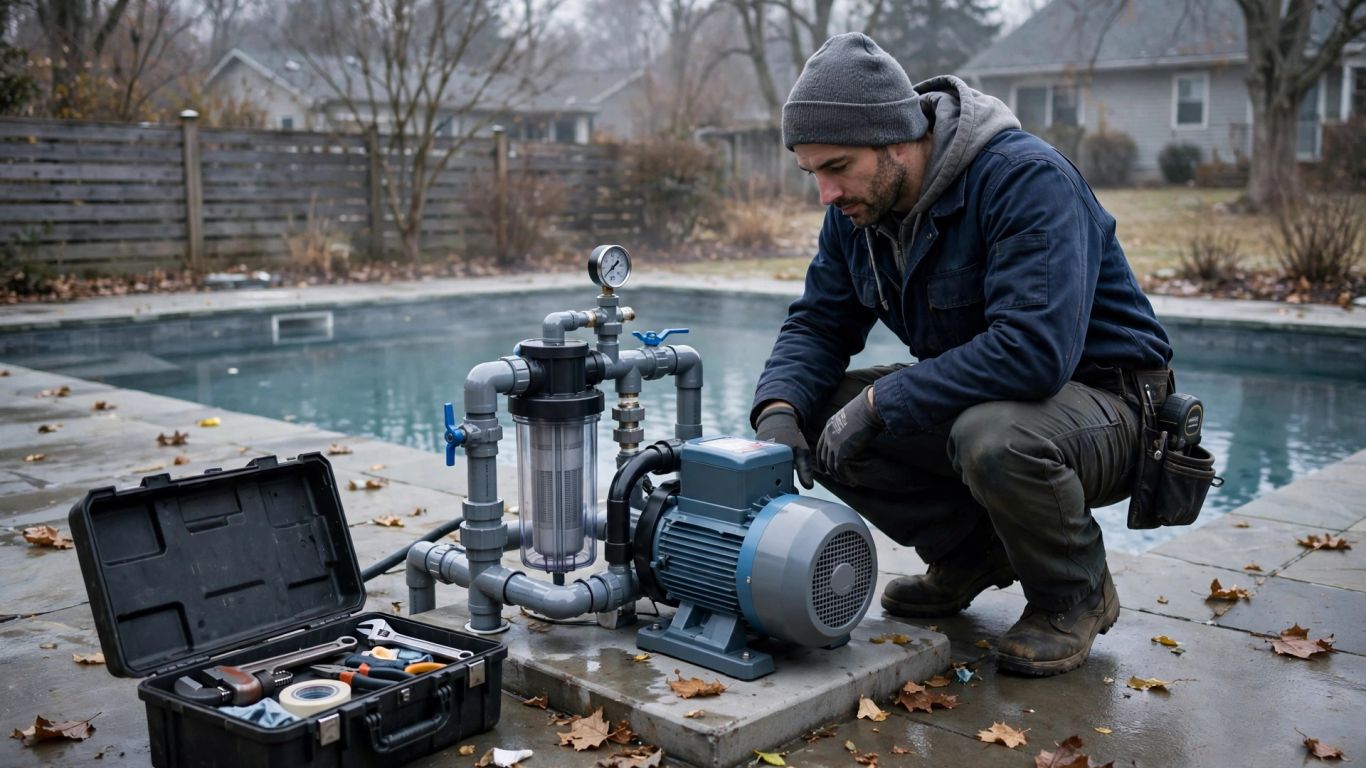
Equipment-focused campaigns work best when they explain why a homeowner might review an aging or inefficient system, rather than relying on vague claims about savings or performance. Name the equipment or service you actually handle, describe the issue it can address, and invite the homeowner to ask whether an upgrade is appropriate for their pool.
The seasonal angle is practical: a customer may be able to plan work before the next busy period. Avoid promising a specific reduction in energy use unless you have evidence for that individual system. An honest explanation of the evaluation and installation process is more useful than an oversized savings claim.
Generate leads for renovations, resurfacing, and automation
Bigger projects often involve more consideration than a routine service call, so winter marketing should help homeowners start a conversation rather than push for an immediate decision. Use project-specific images and landing pages that explain the scope of the work you offer. Make it easy for a visitor to request an estimate or discuss whether the project fits their pool.
The difference between a general pool ad and a useful renovation ad is specificity. A homeowner thinking about resurfacing should land on information about resurfacing, not a broad page that makes them search for the relevant details. When the page and campaign stay aligned, the inquiry is more likely to begin with a useful conversation.
Offer inspections to catch leaks and equipment problems early
An inspection can give homeowners a reason to act before a small concern turns into a more urgent repair during the rush. Explain what the inspection covers and what the customer can expect afterward. If the scope varies by pool or equipment, say so rather than implying every visit includes the same diagnosis.
For ads, use the language people use when they notice a problem: an unusual water-level change, equipment that is not running normally, or a concern that needs a professional opinion. A clear inspection offer gives those customers a lower-friction way to start. Follow through with an explanation of findings and possible next steps, without suggesting that every inspection will uncover a repair.
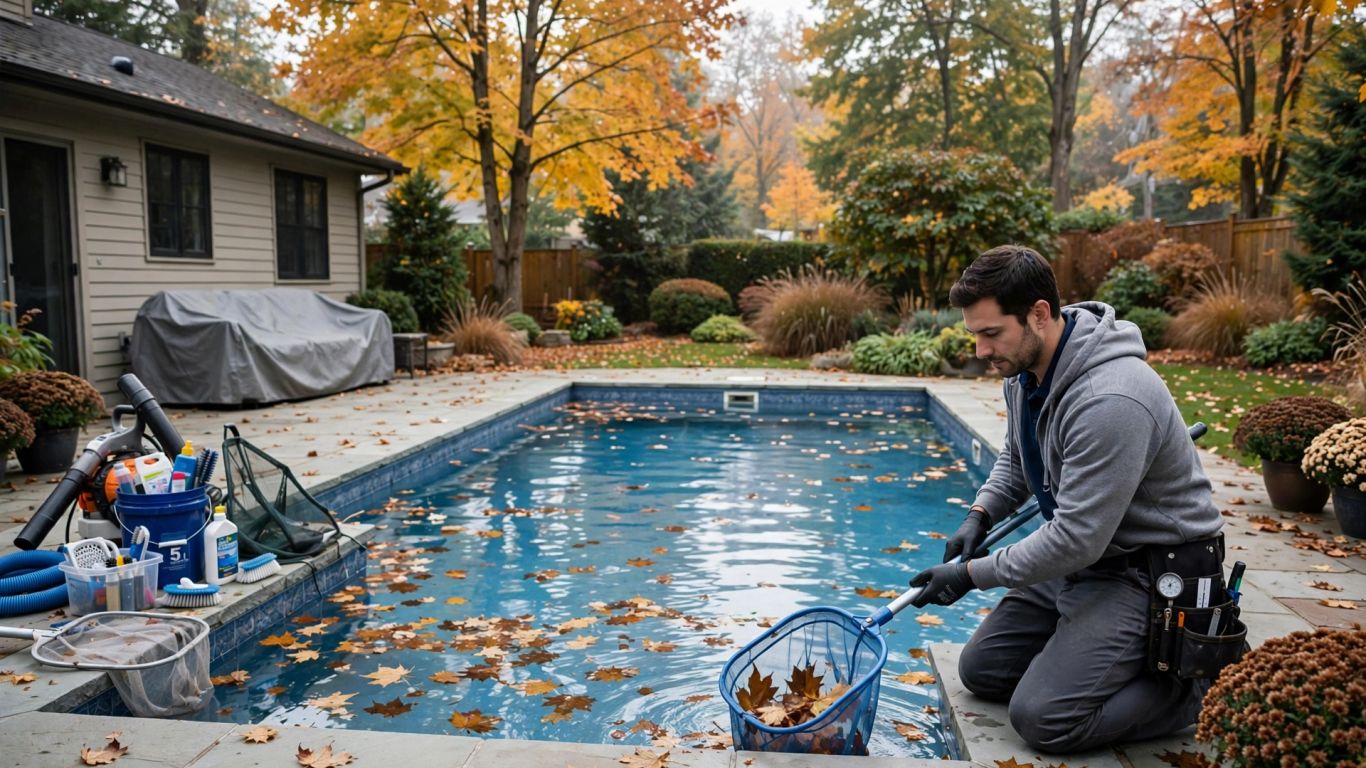
Turn fall and winter maintenance into next-season revenue
The end of the swimming season is a natural time to protect relationships that already exist. Current customers know your work, and a timely reminder can help them plan for maintenance or the next opening. The right message depends on local climate and the services your company actually offers. Keep communication useful and specific, rather than sending a generic seasonal note to every account.
Market closing and winterization services where the climate calls for them
In markets where pools need to be closed for winter, begin promoting the service before homeowners are scrambling to book. Explain what your closing or winterization visit includes, when customers should arrange it, and how to request a spot. A brief reminder to existing clients can be particularly helpful because they may already know the routine but have not yet chosen a date.
Do not use closing language in a market where pools remain in use year-round. There, a late-season message might instead focus on continued maintenance or a check of equipment before cooler weather. Regional relevance matters more than a calendar date borrowed from another market.
Keep recurring maintenance customers engaged through the off-season
For recurring customers, the off-season is a chance to communicate what service looks like during quieter months. Tell them whether their current schedule changes, what work remains available, and how to reach you with a concern. Consistency helps customers understand the relationship they are paying for and gives them a reason to keep your company in mind.
A short customer update can also invite a reply about upcoming plans or known equipment issues. Use the answers to identify service opportunities, but do not turn every routine message into an upsell. When the communication is genuinely relevant, it supports retention and may surface work that can be scheduled before spring.
Encourage early booking for spring openings and repairs
Spring demand can arrive quickly, so inviting customers to book early gives both the homeowner and your crew more time to plan. Make the offer concrete: name the service, explain how to request a date, and be clear that timing depends on availability and local conditions. Early booking can be valuable without relying on a blanket discount.
Use a short sequence rather than one isolated announcement. For example, a customer might receive a planning note, a reminder as the season approaches, and a final prompt if they have not responded. Keep the messages spaced sensibly and stop them when a customer books. The aim is to make the next step easy, not to crowd an inbox.
Use the spring shoulder season to fill the schedule early
The weeks before peak demand are a balancing act: homeowners are beginning to think about their pools, but your technicians still need a schedule they can deliver. Campaigns should create early interest without promising dates the business cannot honor. Plan around both customer timing and operational reality. That way, marketing helps build a healthier schedule rather than an avoidable backlog.
Promote pool openings before demand peaks
An opening campaign should make the service and booking process clear. Explain what is included, what information the customer should provide, and how your team handles scheduling. If dates depend on weather or other site conditions, make that clear before the inquiry comes in.
Give current customers a chance to respond before broadening the message to new prospects. Existing relationships can provide a dependable base of early bookings, while local advertising can reach homeowners who need a new service provider. Keep the landing page and ad focused on openings so people can quickly confirm they have found the right service.
Test early-booking offers without discounting every service
Discounts are only one way to encourage an early decision. You might test a priority scheduling message, a convenient booking window, or a clearly defined add-on if it makes sense for your operation. Whatever the offer, spell out its limits and make sure staff can explain it consistently.
Before launching, decide what success means. A lower price may attract more inquiries but also reduce the margin on work you would have booked anyway. Compare the quality and value of early bookings, not just the number of form submissions, and keep the test small enough to learn from.
Pace campaigns to match technician capacity and route availability
Marketing should follow the schedule your team can serve. If one route is close to full, advertising the same opening dates across the entire service area can create frustration. Set a practical limit for new bookings and adjust campaign areas or timing when capacity changes.
A weekly check between whoever manages marketing and whoever manages operations can prevent the two from working at cross purposes. Review open slots, travel distance, and the services that are most suitable for the crew. If a route is full, shift the message toward a later booking window or a different service that the team can handle.
Match paid campaigns to off-season customer intent
Paid advertising can keep a business visible in quieter months, but seasonality changes what homeowners search for and what they are ready to do. Give each campaign a clear purpose, and use a landing page that answers the question behind the click. Do not assume that the same ad, audience, or budget will work equally well for repairs, openings, and renovation projects. Campaign relevance beats calendar habit when the goal is qualified work.
Use Google Search ads for high-intent repair and upgrade searches
Search campaigns are a natural fit for customers actively looking for help with a specific repair, inspection, or equipment upgrade. Organize ads around the service being offered and send each click to a matching page. Review search terms regularly so the campaign stays focused on the jobs your company wants and can take on.
Seasonal timing still matters. A repair search may remain relevant in winter, while an opening search may increase closer to warmer weather. Adjust budgets and messaging to what is happening locally, and use call or form tracking that helps distinguish a real service inquiry from an unrelated contact.
Reach local homeowners on Meta with project-focused creative
On Facebook and Instagram, homeowners may not be actively searching for pool work when they encounter an ad. A focused visual and a clear project idea can give them a reason to learn more. Show the kind of work your team offers and keep the accompanying message tied to a specific customer need, such as planning a renovation or arranging a seasonal service.
A short video can help explain what a project involves without loading the ad with copy. Keep the footage and landing page consistent: if the creative is about equipment, the page should make it easy to find equipment-related information. Review engagement alongside actual inquiries so an attractive ad does not get mistaken for a profitable one.
Retarget site visitors and past leads with timely seasonal offers
People who visited your site or previously asked about a service may be worth reaching again when the timing becomes more relevant. Use a message that reflects the service they showed interest in, and make the next step easy to find. Keep audiences and offers appropriate to your privacy practices and the tools available to your business.
Retargeting is not a substitute for a useful offer or a relevant page. A visitor who looked at resurfacing information is unlikely to respond to an unrelated opening promotion. Keep the message connected to the original interest, and review frequency so the same homeowner does not see the same ad repeatedly without a new reason to act.
Keep off-season leads moving toward a booking
A campaign is only one part of the customer journey. After someone responds, the next steps should be clear, timely, and easy for the team to manage. Make sure the person answering inquiries knows what each seasonal offer includes and which dates or routes still have room. Reliable follow-up can turn an off-season question into booked work without relying on pressure.
Create landing pages for specific services and seasonal needs
A dedicated page gives each campaign somewhere relevant to send a prospective customer. Include the service area, what the work generally involves, and a direct way to ask a question or request an estimate. If the service depends on an inspection or site-specific assessment, explain that rather than implying the page can provide a definitive quote.
Keep the page focused enough that a visitor can recognize their need quickly. A campaign for winterization should not send people to a generic homepage and make them hunt for the right form. If a page mentions an offer, make sure the details match the ad and that your team can honor the terms.
Follow up quickly with calls, texts, and email
Fast, useful follow-up matters because a homeowner may be contacting more than one local provider or trying to solve a problem before a deadline. Decide who owns new inquiries, when they are checked, and what information the first response should confirm. Offer customers a convenient way to continue the conversation, while respecting their preferred channel and local requirements.
For appointment coordination, some teams may find it useful to explore Calendly as one possible option. Whatever tools you use, make sure the customer receives a clear confirmation and knows what happens next. A simple follow-up routine might include:
- A prompt acknowledgment that the inquiry was received.
- A call or message to confirm the service need and location.
- A clear estimate or explanation of what information is still needed.
- A booking confirmation with the agreed service details.
The sequence should fit your staffing and communication practices. Assigning responsibility for each step reduces the chance that a lead gets missed between the office and field team. Review unanswered inquiries regularly and refine the process when customers repeatedly ask the same question.
Track qualified leads, booked jobs, and revenue by campaign and season
Lead counts alone can make a campaign look better than it is. Track which inquiries match your service area and offerings, which become booked jobs, and what revenue those jobs produce. Compare results by service and season so you can see whether a campaign is generating work the business wants to take on.
Give the team a consistent way to record lead source and booking outcome. Even a simple monthly review can reveal useful patterns: one service may bring fewer leads but more completed work, while another may attract inquiries outside your route. Use those findings to adjust the next season’s budget, message, and booking targets rather than judging the campaign by clicks alone.
Conclusion
A steady off-season plan connects local demand to services your team can deliver, then carries each inquiry toward a real booking with clear communication. Use the quieter months to plan useful projects, maintain customer relationships, and prepare for spring without overpromising capacity. When you are ready to explore Calendly, take a look at the available details and decide whether it belongs in your process.
Frequently Asked Questions
When should a pool service company start marketing spring openings?
Start before the local rush, using past booking patterns and weather as guides. The right lead time varies by region, customer base, and how quickly your team fills its schedule.
What should pool companies advertise during winter?
Promote services that make sense in the local climate, such as inspections, repairs, equipment work, renovations, or winterization where applicable. Choose offers your business can deliver during that period.
Should pool service companies advertise year-round?
Year-round advertising can make sense when the company offers services customers need throughout the year. Adjust campaign focus and spend to local demand, available capacity, and the value of the work being promoted.
How can a pool company encourage early bookings without discounts?
Make the benefit of booking early clear through planning, convenient scheduling, or a well-defined service option. A specific, credible reason to act can work without reducing the price of every service.
Which paid advertising channel is best for off-season pool leads?
It depends on customer intent and the service. Search can reach people looking for a specific repair or upgrade, while social ads can introduce project ideas to local homeowners who are not actively searching yet.
What should a pool service landing page include?
It should explain the service, identify the area served, set reasonable expectations, and provide an obvious way to ask a question or request an estimate. The page should match the ad that brought the visitor there.
What marketing results should pool companies track?
Track qualified inquiries, booked jobs, completed work, and revenue by service and campaign. Those measures give a more useful picture than impressions or lead volume alone.